
By Dr. Peter Schniering, Founder and CEO, Future Cleantech Architects
Climate Week NYC draws more than 100,000 participants across the city, which bustles with ideas, workshops, demonstrations, and art.
This year, above all, it reassured me of the potential this collective brings about, that one should not underestimate the power of innovation. That hope came from the ingenuity of the people I met. In these politically and economically turbulent times, an international community of innovators, researchers, investors, and policymakers is building a cleaner industrial future against all the headwinds. It is supporting the development of promising technologies, and many of them will turn into commercially viable solutions. To see this community collaborate with such determination and drive change was very encouraging.
We are used to headlines that capture the headwinds. In New York, many participants showed determination to push through them. Across discussions on steel, geothermal energy and construction, conversations focused on the conditions needed for deployment: technical performance, financing, infrastructure, and credible policy commitments. After all, building new technologies fast, iterating and improving them continuously is the real measure of impact when it comes to emissions reductions.
In steel, policy uncertainty remains a serious obstacle for companies invested in decarbonization. Industry leaders willing to move first need confidence that governments will not flip backwards. Making better use of steel scrap, through advances in metallurgy enabling the removal of contaminants, offers immediate opportunities. Looking further ahead, emerging processes that use electricity to extract iron from ore directly, including cheap low-quality ones, could bypass both fossil fuels and hydrogen. Advancing these technologies requires sustained support, from research and development through to demonstration and deployment.
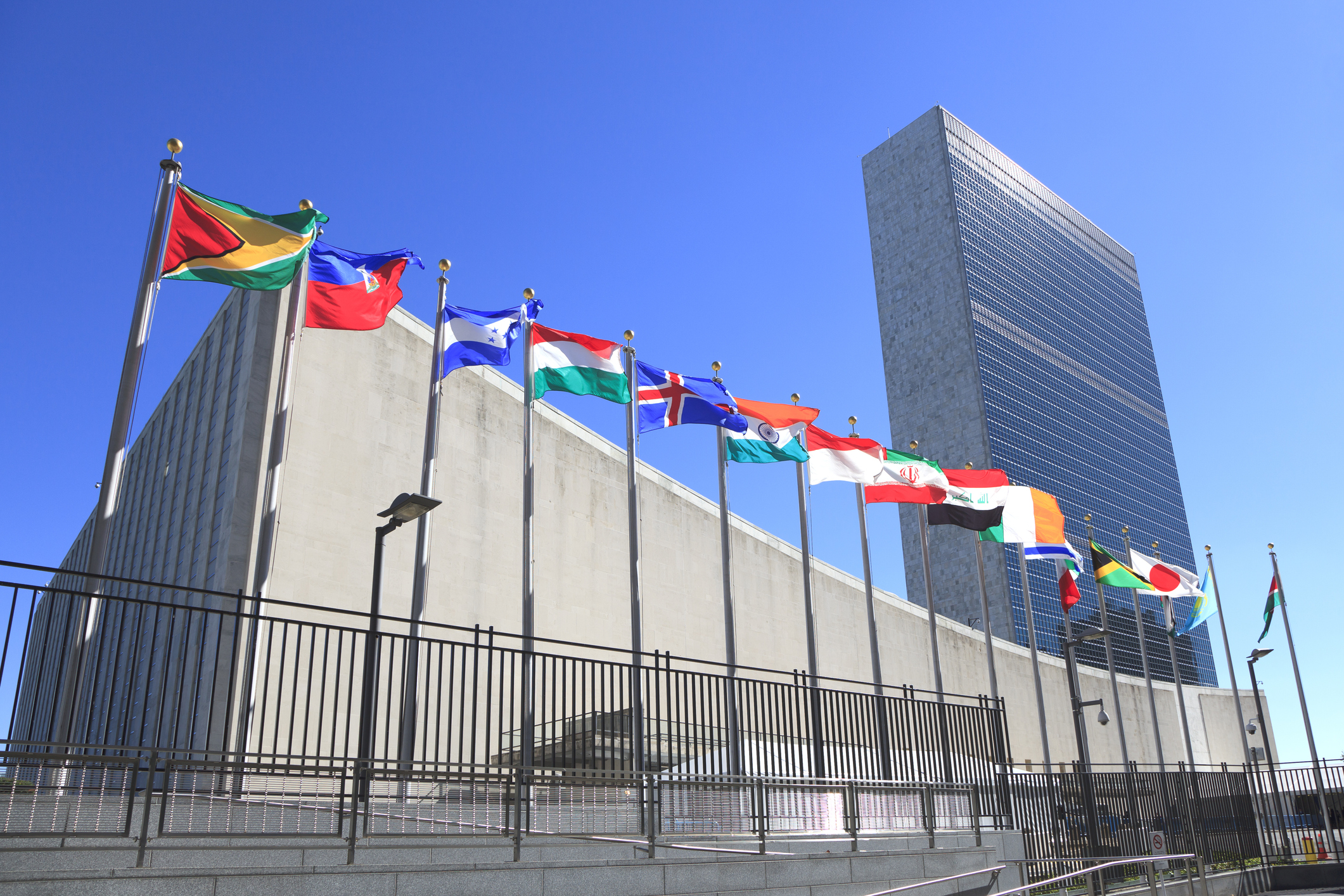
Geothermal energy provides another compelling example. A session at Iceland’s Permanent Mission to the UN brought together technology developers and drilling companies working directly on deployment challenges. Despite having a nearly fully decarbonized grid already, Iceland is doubling down on super-hot rock geothermal and will drill to reach 400°C next year. As the discussions highlighted, this is one of many opportunities for geothermal to supply not just heat but electricity at scale far beyond hotspots like Iceland, through a range of technologies we are studying and promoting at Future Cleantech Architects (FCA).
In construction, I met many people who share our enthusiasm for structural efficiency: designing strong, beautiful buildings with less, reducing demand for carbon-intensive materials such as concrete and steel. All while providing the same performance.
All these exchanges were consistent with how we work at FCA: as a “think-do tank,” we connect technological innovation with the realities of heavy industry and help policymakers make decisions grounded in science.
Conversations throughout the week, including at an event hosted by @Giving Green, also reinforced a central question for us as a European organization: how can Europe contribute most effectively to global progress?
While Europe’s own emissions matter, no less important is its ability to accelerate progress in emissions reductions elsewhere too. Its research, industrial experience, and policy frameworks can help technologies mature, reduce costs, and become viable in more markets; just look at how Germany’s subsidies kickstarted demand for solar photovoltaic two decades ago, or how the efficiency standards we historically set in the automotive industry spilled over into markets around the world. That global potential increasingly shapes how we define impact and prioritize our work at Future Cleantech Architects.
Part of this is a communications challenge. We need to clarify the potential of emerging technologies, including the barriers they face, to those who can help bring them forward.
Finally, it was encouraging and humbling to discover how many international counterparts already knew FCA’s work. The strong interest in collaboration – from Massachusetts to Seoul – opens exciting opportunities to connect our expertise with new partners across the Atlantic and beyond.
I left New York with renewed hope and new connections to turn conversations into tangible action. Bringing the right people, ideas and startups together can unlock progress in the hardest-to-abate sectors. Our task is to help that innovation reach the scale the climate challenge demands.