"We were impressed by the level of FCA’s in-house expertise, depth of engagement with technical research, and sophisticated understanding of the innovation landscape. In addition, despite being a relatively new organization, FCA has already developed an effective track record of shaping EU policy and contributing to international climate discourse through engagement with UN organizations. We think FCA fills a critical gap in the climate policy ecosystem by connecting lessons and learnings from its ‘boots on the ground’ technical work to high-level policymaking."
Read the recommendation

Giving Green
''We are now ready to invest in its ambitious growth, supporting its organizational development as well as key programs in hard-to-decarbonize sectors requiring more innovation, namely zero-carbon fuels, industry, long-duration storage, and carbon removal technologies. We believe that if FCA is successful this could significantly improve the German and European climate policy response.''
Read the article

Founder's Pledge
"The science-based approach of Future Cleantech Architects (FCA) has significantly influenced the strategic investment decision on our new bus fleet. Our fleet consists of about 90 buses and we were considering two options: hydrogen buses (with a fuel cell) or all-electric buses with battery systems. The advice of FCA and their expert team has led us to decide against hydrogen (which will be more urgently needed in other applications) and go for a more efficient and economic all-electric bus fleet instead."

Prof. Dr. Thomas Hoffmann
''Its aim is to promote innovation in Europe’s hard-to-decarbonize sectors by running key programs in, for example, zero-carbon fuels, industry, and carbon removal technologies. (...) You might be wondering if this kind of innovation really meets the “neglectedness” criterion — don’t we already have a lot innovation? In the US, yes. But in Europe, this kind of organization is much rarer.''
Read the article

Vox
''What is special about FCA's approach is that the organization not only takes on the advocacy for these technologies at the political level, but is also itself part of research consortia for the development of these technologies.''
See their page (in German)
Effektiv Spenden


Annual Report 2021
Annual Report 2022
Annual Report 2023
Annual Report 2024
Annual Report 2025




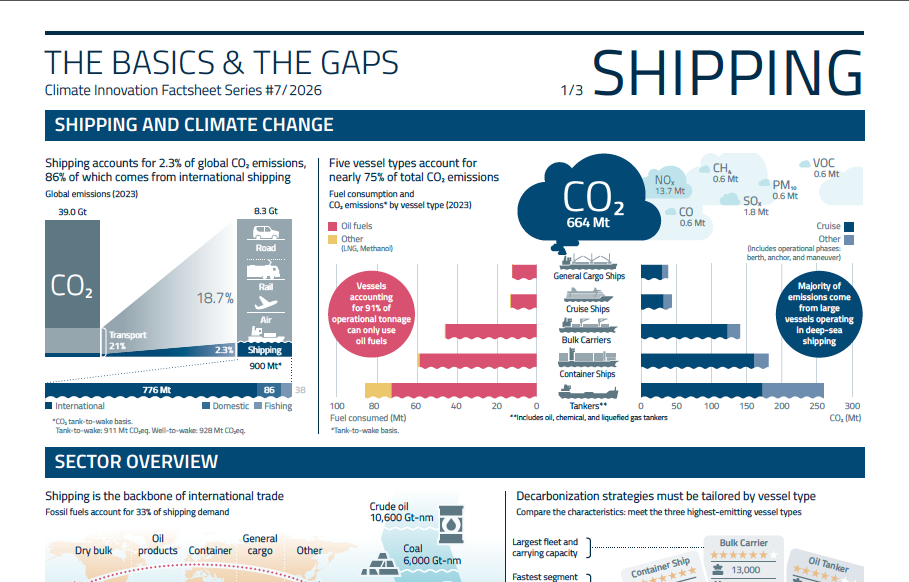
Hot Off the Press! New Factsheet on Shipping
Shipping carries over 80% of global trade by volume and accounts for 2.3% of global CO₂ emissions, yet vessels representing 91% of the operational tonnage can currently use only
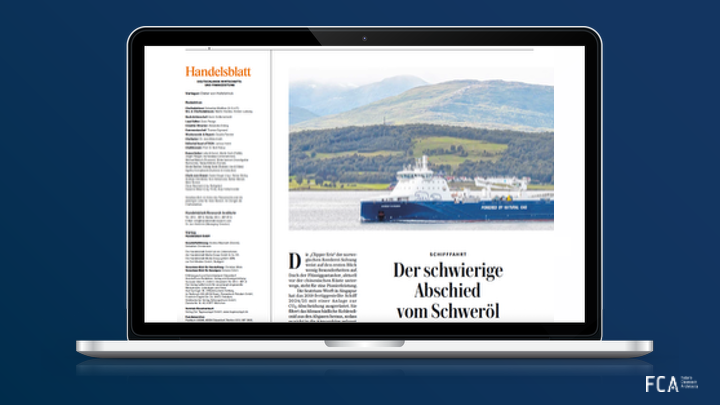
Shipping: A Sector Hard to Decarbonize | New Release in Joint Series with Handelsblatt
The shipping industry faces mounting pressure to cut down its emissions, but no single technology offers a straightforward solution. In this article on alternative fuels and onboar
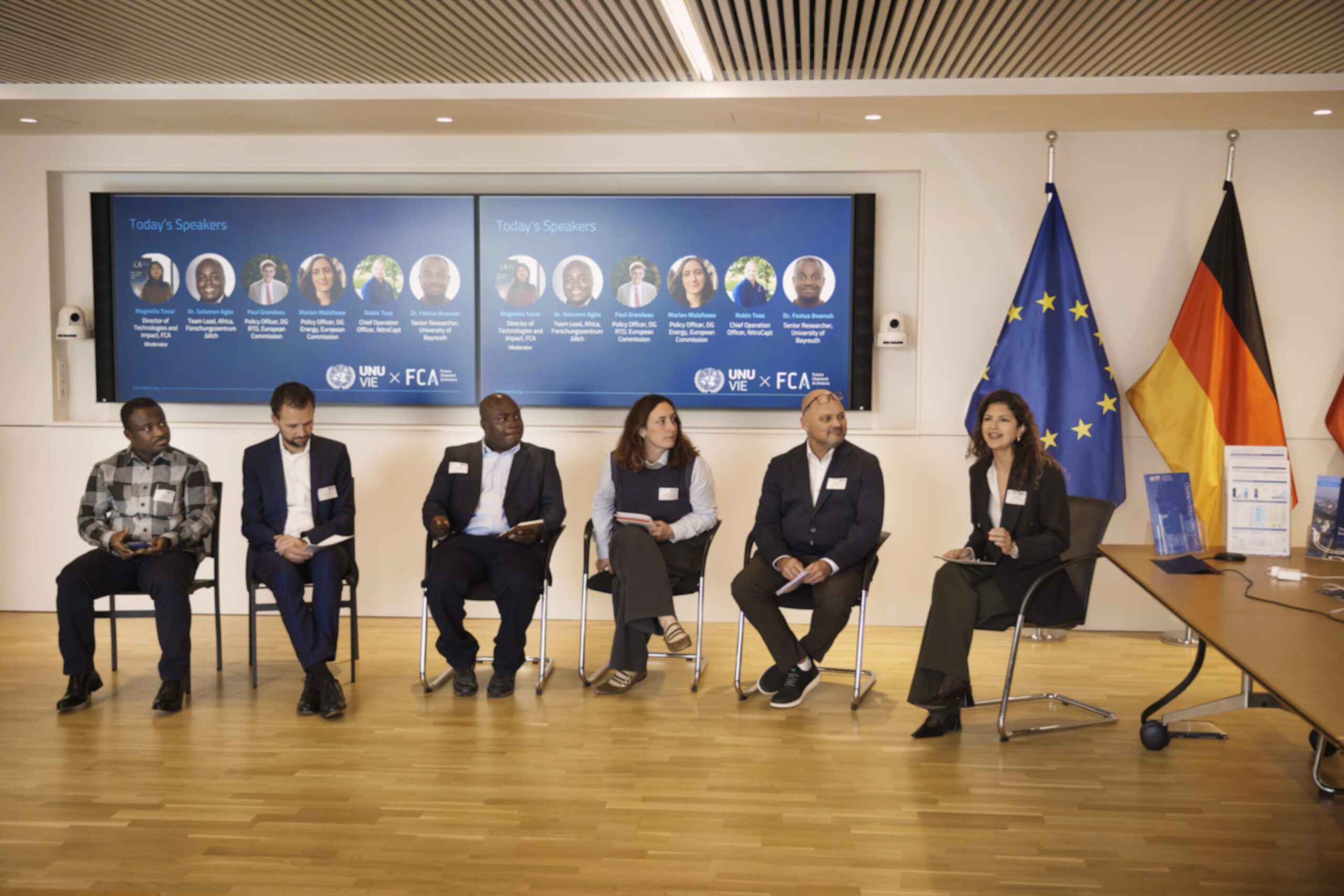
Green Hydrogen and Innovative Fertilizer Production: Towards a Win -Win Partnership in the EU & Africa Roundtable Discussion
“Break the link between natural gas and fertilizer production.”That was the key message from our event in Brussels.Synthetic fertilizers help feed around half of the wo
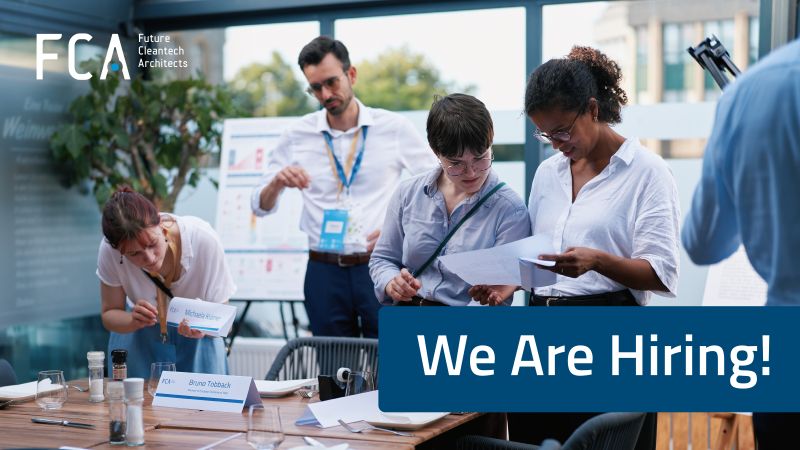
Join our team! We are hiring an Impact & Development Associate at Future Cleantech Architects
We’re looking for a candidate with at least one year of experience in program management, fundraising, donor relations, or a related field — ideally in the nonprofit sector. In
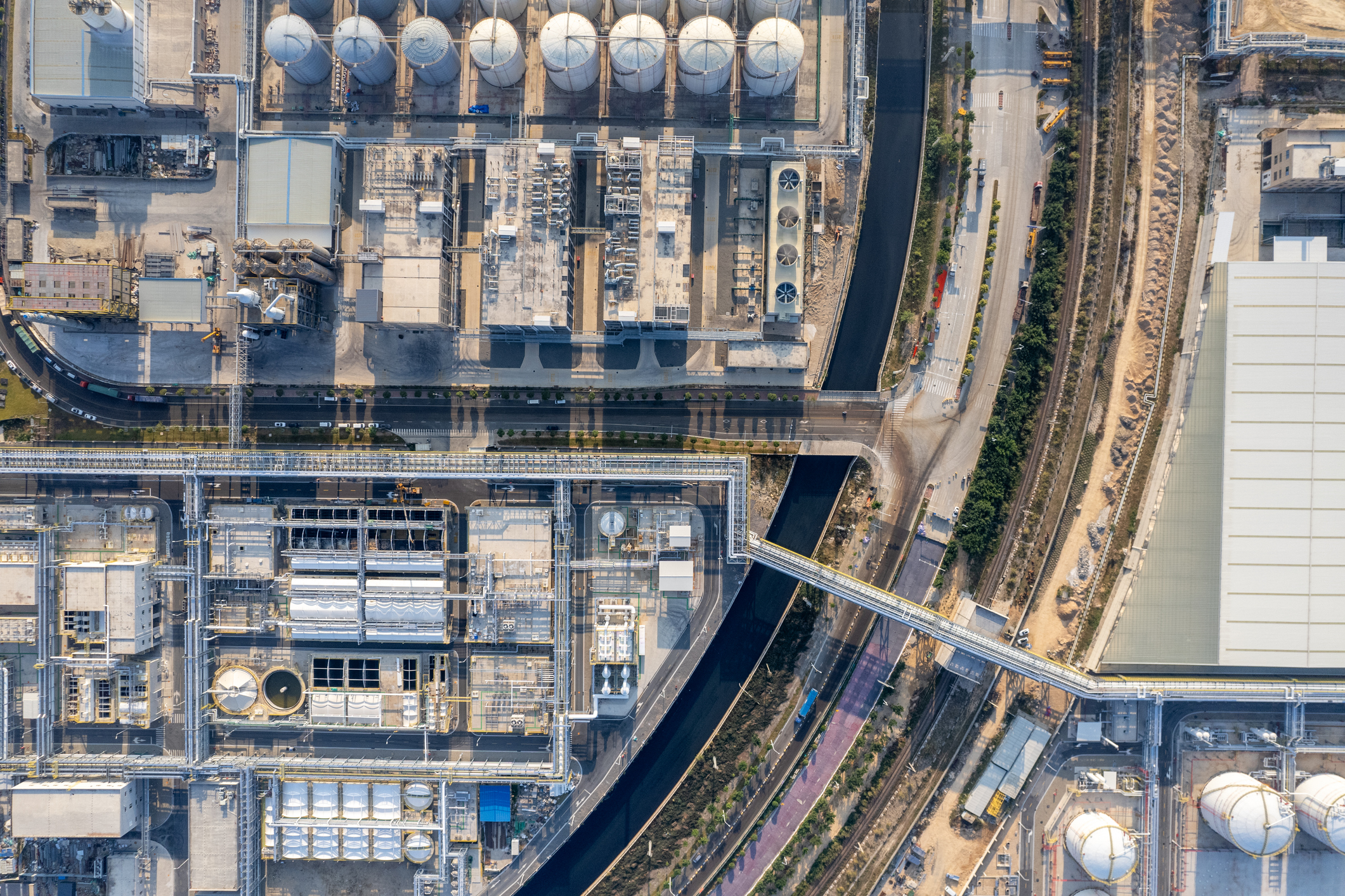
Hot Off the Press | Standpoint The EU Hydrogen Strategy Review: A Sectoral Approach
Our new Standpoint, “The EU Hydrogen Strategy Review: A Sectoral Approach,” proposes replacing overarching hydrogen-volume targets with sector-specific decarbonization targets.
Press Release | Report: EU Should Replace Hydrogen-Volume Targets With Industrial Decarbonization Targets
Press Release | Report: EU Should Replace Hydrogen-Volume Targets With Industrial Decarbonization Targets Brussels, 05 October 2026 – The EU should replace overarching hydrogen
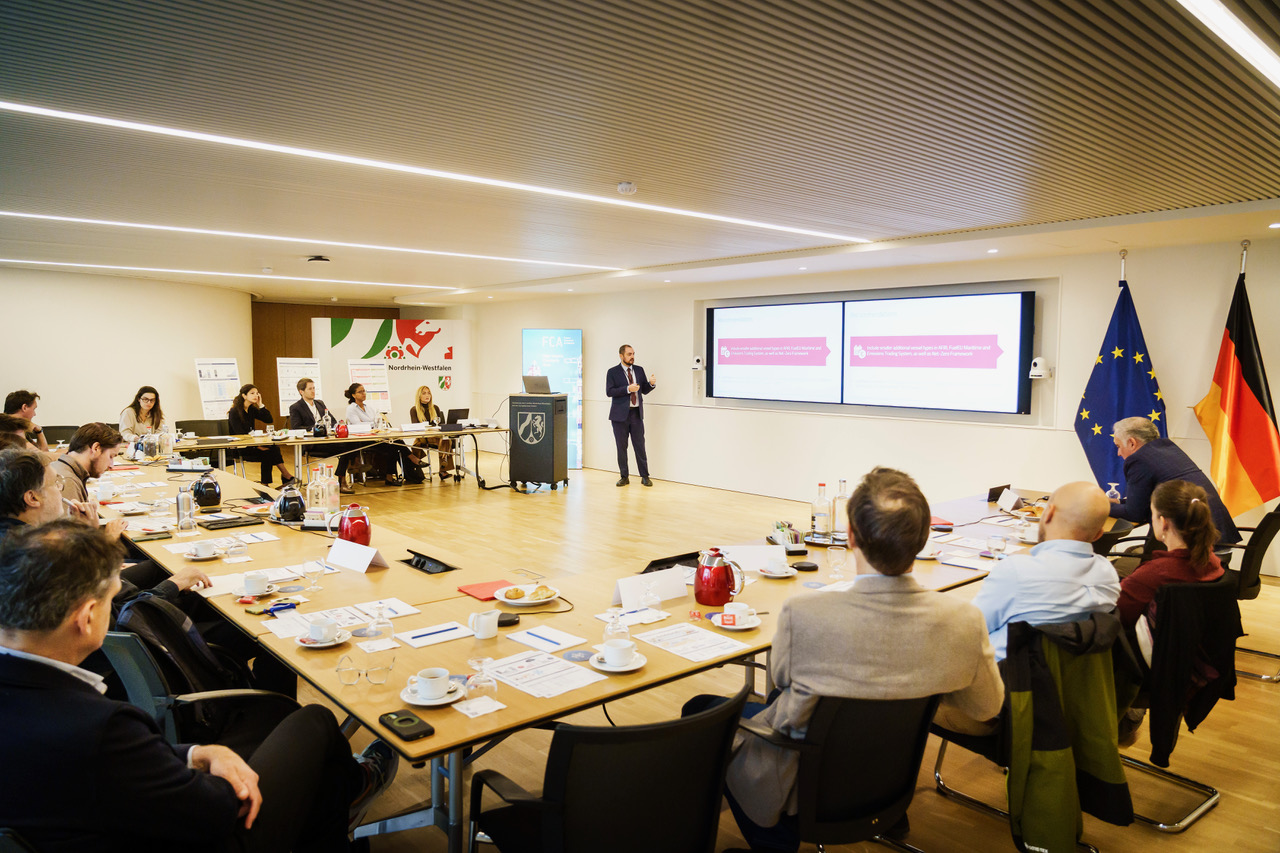
Coffee & Cleantech in Brussels on Decarbonizing Shipping
Our technical briefing for policymakers this morning focused on one of transport’s hardest-to-abate sectors: shipping. At the start of 2026, the global merchant fleet comprised a
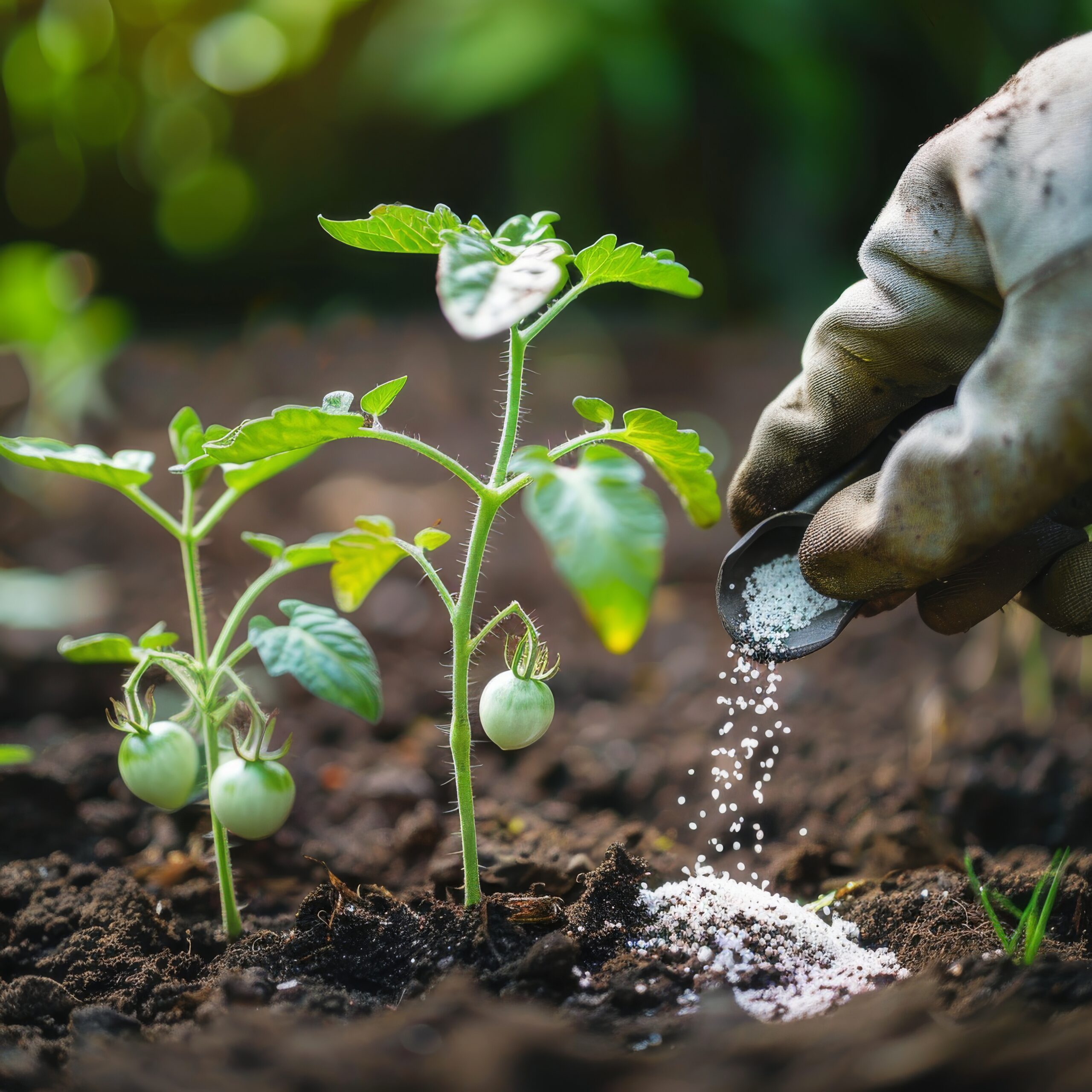
New Brief | Green Hydrogen and Innovative Fertilizer Production: Towards a Win-Win Partnership in the EU & Africa
Green hydrogen and innovative fertilizer production can support a more resilient and lower-emission food system in Europe and Africa. A new briefing from Future Cleantech Architect

Blogpost | Takeaways from Climate Week NYC: Innovation, Determination, and Hope
By Dr. Peter Schniering, Founder and CEO, Future Cleantech Architects Climate Week NYC draws more than 100,000 participants across the city, which bustles with ideas, worksho