
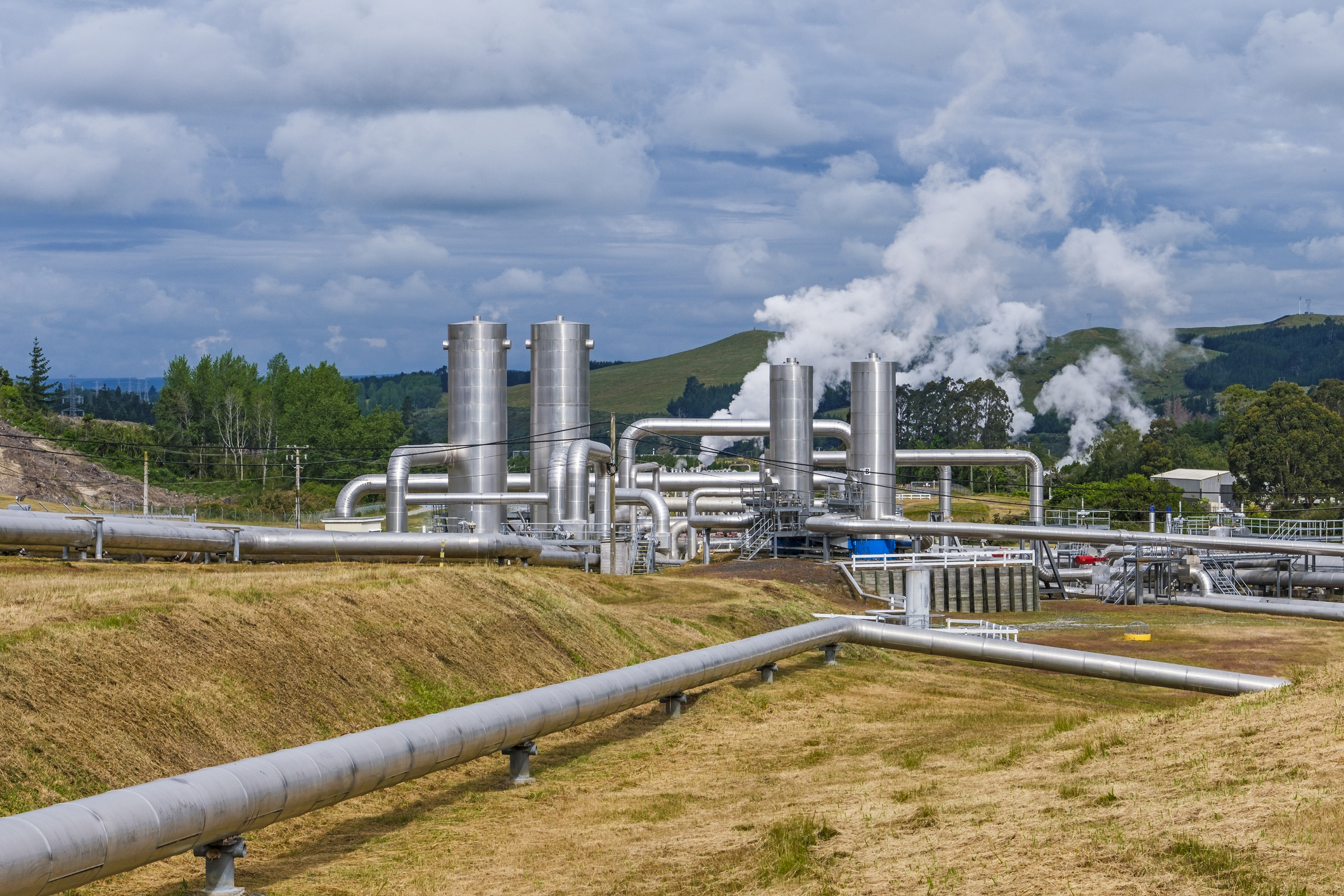

We have joined forces with Project InnerSpace to release “Unlocking Europe’s Geothermal Industrial Heat Potential“, a first-of-its-kind analysis identifying geothermal industrial heat potential in every EU country, and 30 industrial clusters across 11 European countries that are priority candidates for geothermal heat conversion.
4 Key takeaways are:
- Nearly 40% of the EU’s final energy demand for process heating in industry is below 200°C, i.e. at temperatures within reach of geothermal energy. Such processes include paper and food manufacturing, among others.
- Geothermal matches the requirements of industrial heat demand, which is increasingly looking for homegrown and clean sources of round-the-clock energy as a way of addressing both competitiveness challenges and climate targets.
- Clustering industrial heat demand enables a group of users to share one well field, heat network, and operator. This spreads risk and enhances the business case, especially if demand profiles are complementary and thus increase the utilization of the well. Higher usage directly translates to lower costs, since the economics of these installations are driven by capital cost.
- Europe has more geothermal than you think, thanks to next-generation technologies that open up previously inaccessible resources. The top 30 clusters identified in this study represent 2 GW_th of demand; switching to geothermal would displace around 4.3 Mt CO2 per year and €850 million in fuel spending.
The report proposes policy steps in three areas:
- Identify and organize the first projects
- Reduce early-stage risk and unlock investment
- Create the conditions for geothermal to scale
The EU’s forthcoming Geothermal Strategy and Action Plan, together with the Geothermal Stakeholder Partnership, is a natural place to bring these measures together by naming priority clusters for geothermal in industrial heat development.
Watch the launch webinar with input from European Parliament’s Vice President Martin Hojsik, Former EU Commissioner for Energy Andris Piebalgs, Project InnerSpace’s Daniel Merino-Garcia and Ryan Zimmer, and FCA’s Marlène Siméon and Antoine Koen.