
“Break the link between natural gas and fertilizer production.”
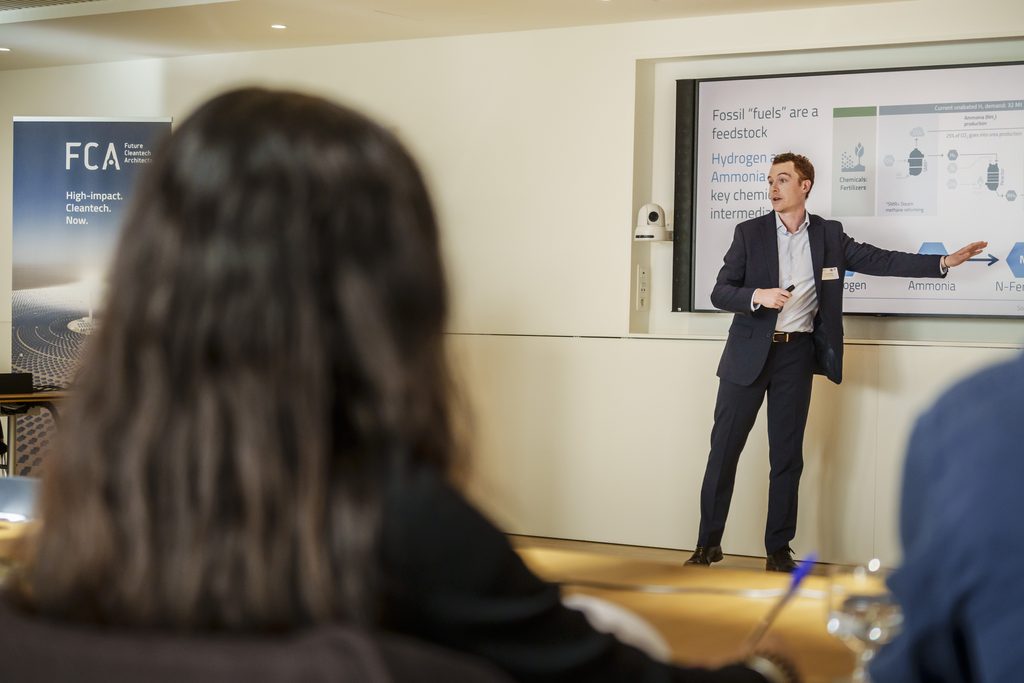
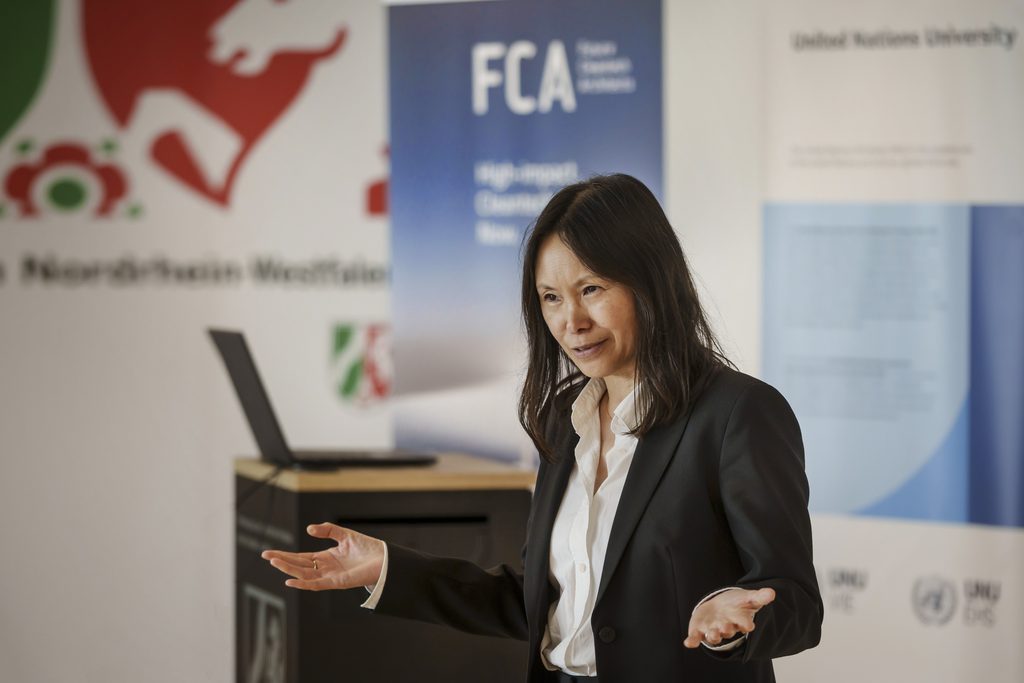
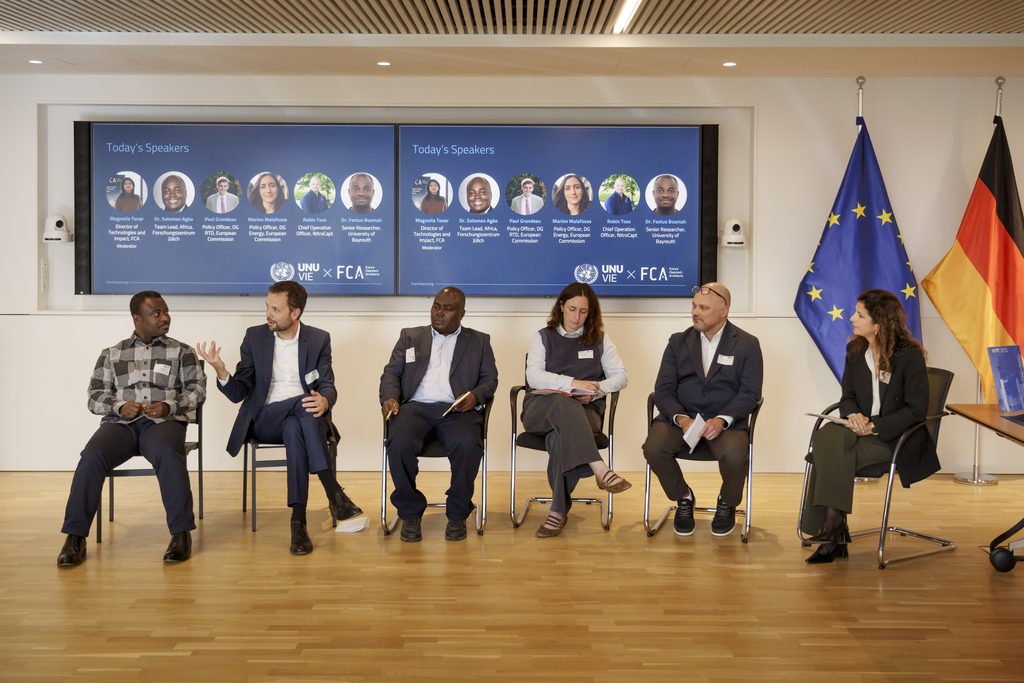
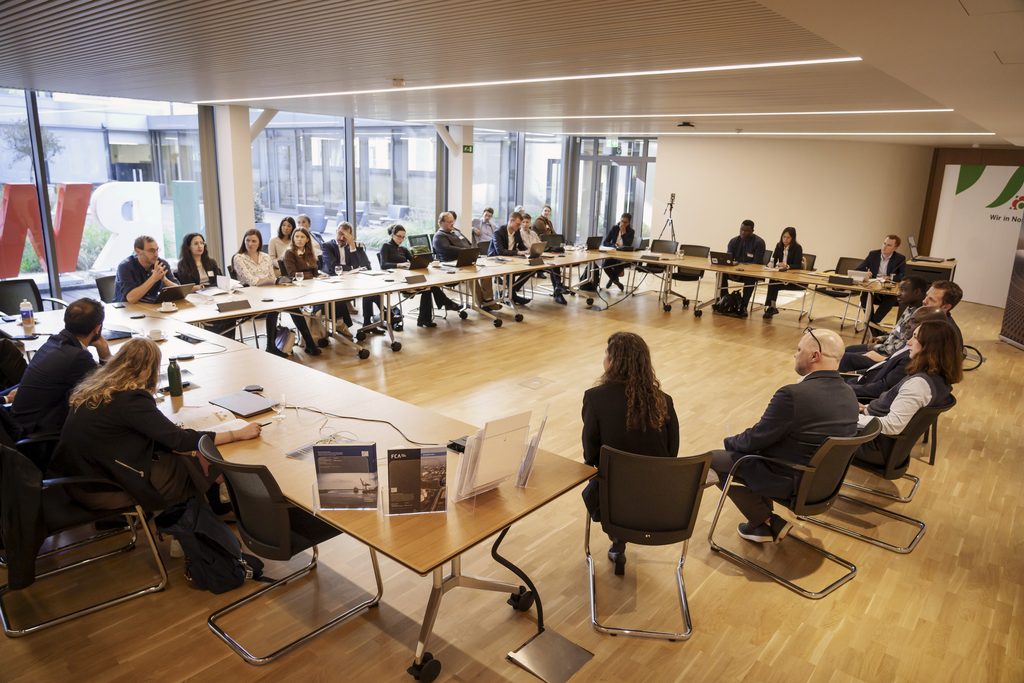
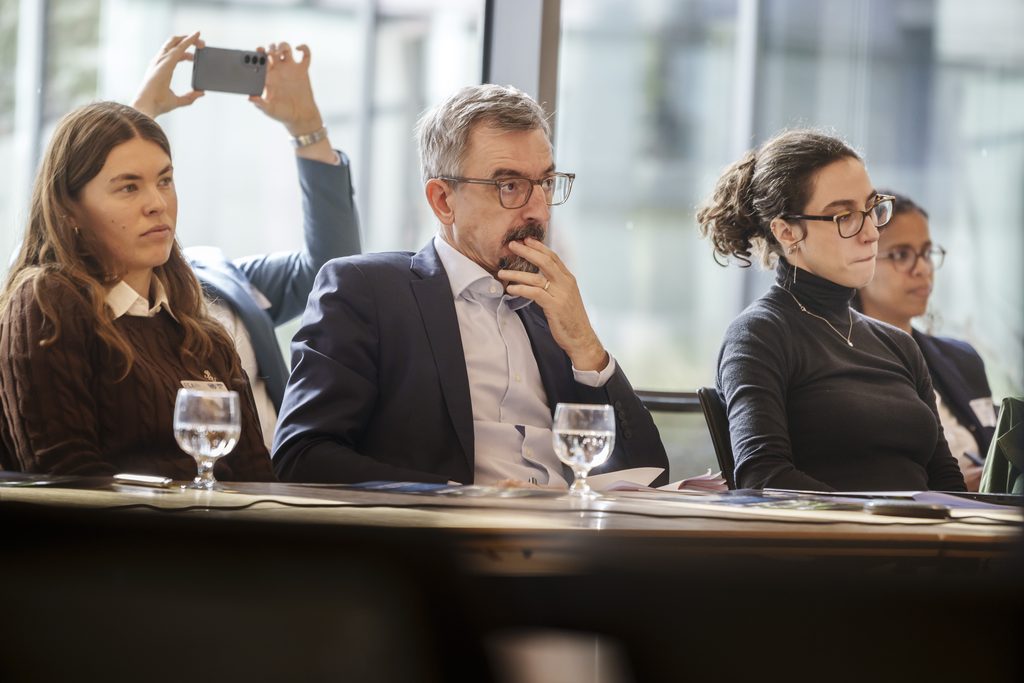
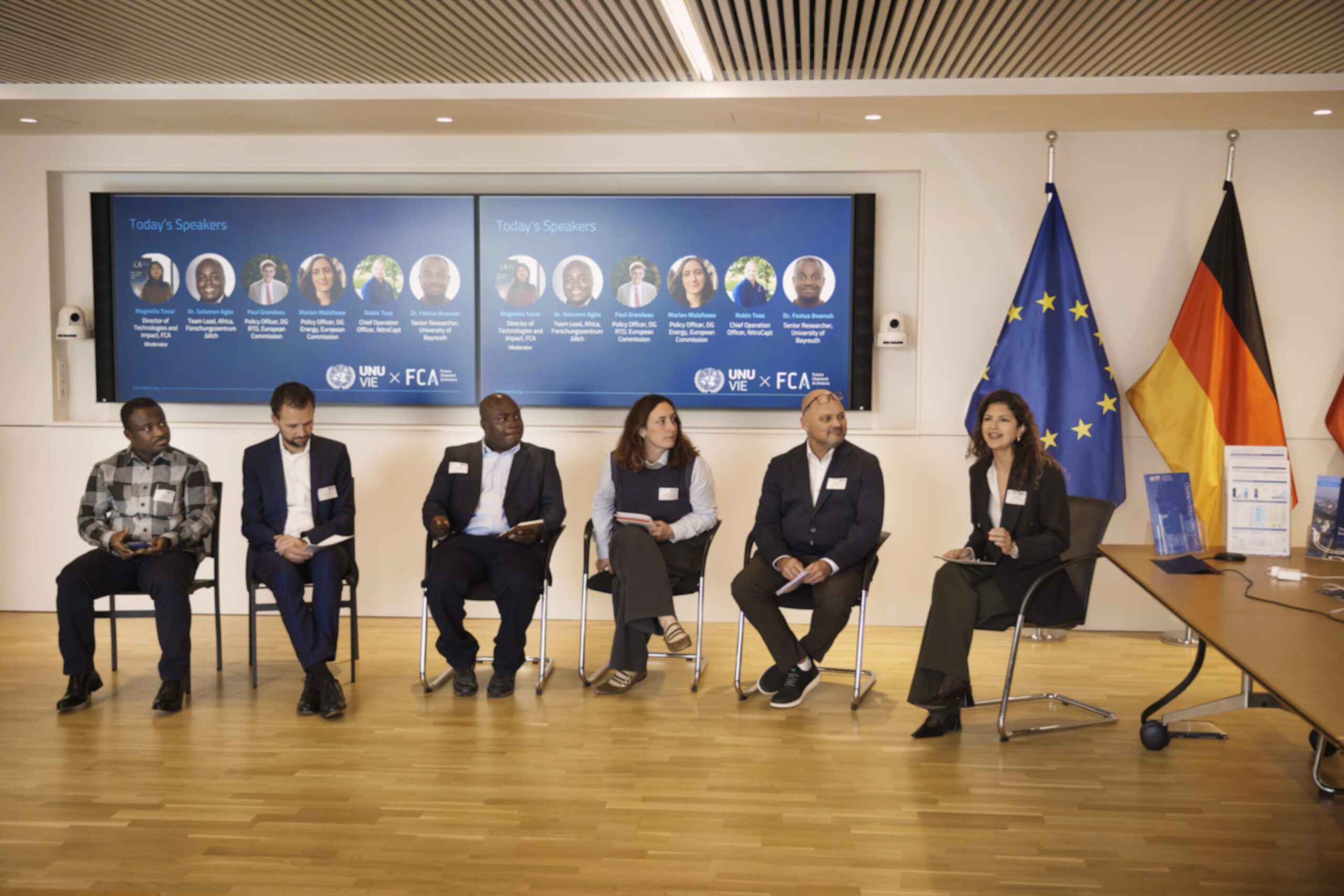
That was the key message from our event in Brussels.
Synthetic fertilizers help feed around half of the world’s population, yet their production remains exposed to volatile fossil fuel markets and geopolitical shocks.
We need to build and learn from first-of-a-kind plants, scale clean electricity, prioritize deployment of clean hydrogen where it is genuinely needed, and advance directly electrified alternatives such as plasma-based fertilizer production.
EU–Africa cooperation could be central to this transition if it creates value on both sides.
Africa has strong renewable energy potential and growing demand for food, energy, jobs, and industrial development. Europe has technological and investment capacity, markets, and policy support.
Resilient fertilizer value chains can serve both African agriculture and international markets, without recreating old dependencies.
Policymakers in both blocs should consider the message repeated by many of our speakers: Build, engage, and stay the course.
Thank you to everyone who joined us for a lively discussion, and to the UN University Vice-Rectorate in Europe (UNU-VIE) for co-hosting the event with us.
Stay tuned for our comprehensive report on decarbonizing fertilizer production next month.