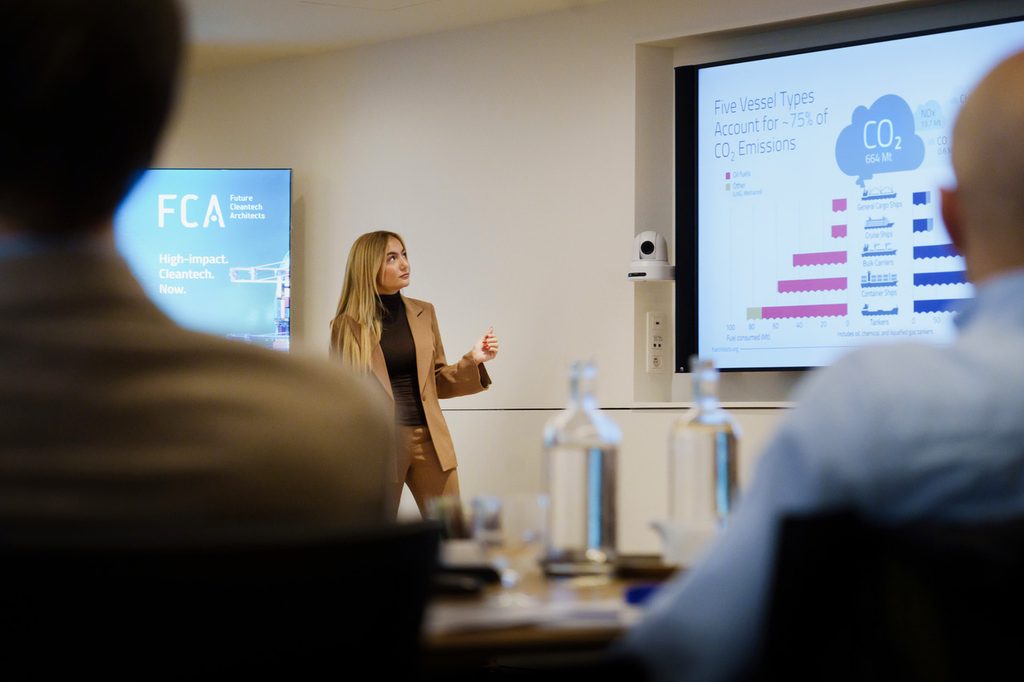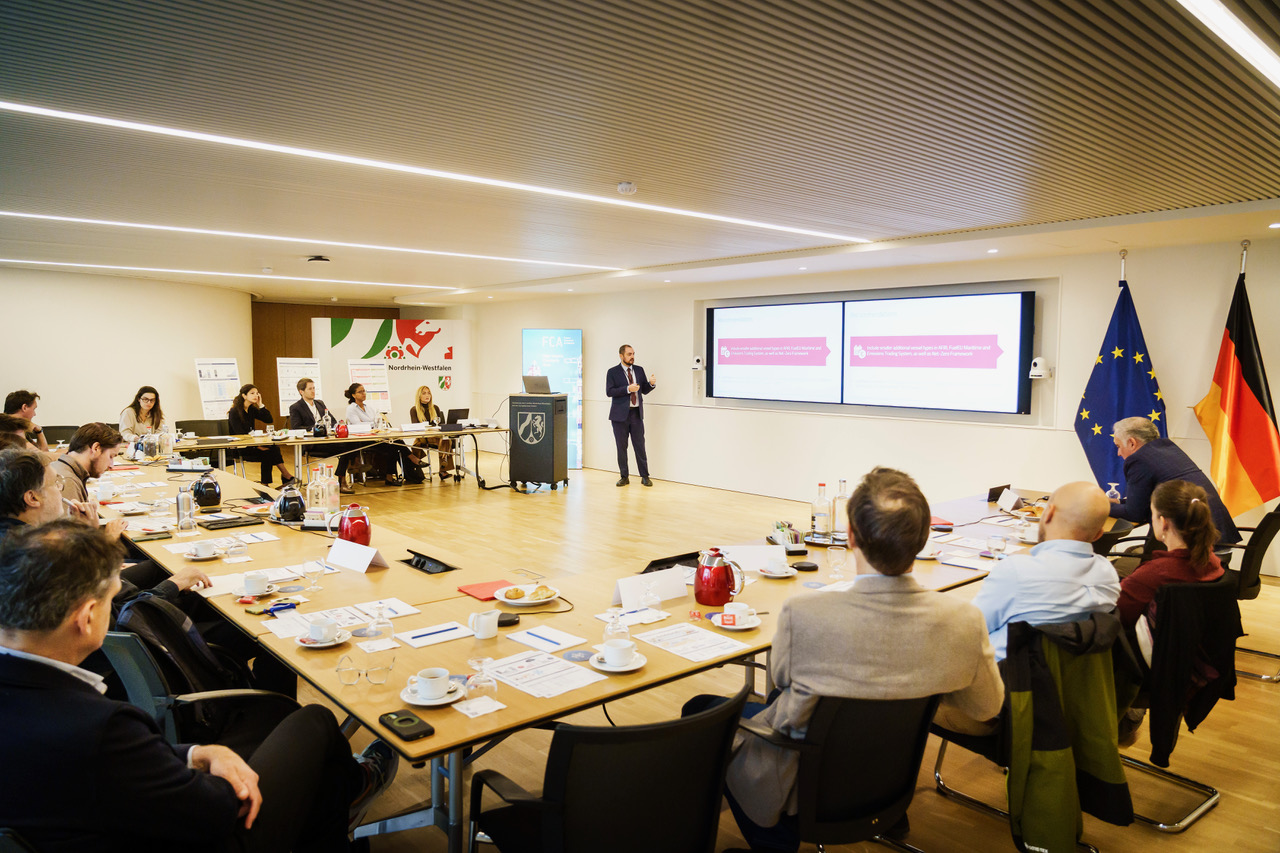

Our technical briefing for policymakers this morning focused on one of transport’s hardest-to-abate sectors: shipping. At the start of 2026, the global merchant fleet comprised around 116,000 vessels of at least 100 gross tons. The challenge: they still run almost entirely on fossil fuels.
Key points discussed with representatives from the European Commission and the European Parliament:
· There is no single technology that can decarbonize shipping. The right fuel or propulsion pathway depends on vessel type, route, and power requirement. Strategies need to be tailored accordingly.
· Conventional marine fuels remain difficult to displace on cost and energy density. Every low-carbon alternative involves a trade-off, whether in cost, technology maturity, energy density, availability or safety.
· A significant barrier is coordination, even where technological solutions exist. Ship operators, fuel producers, and ports are each waiting for the others to move first.
· Long-term offtake agreements and early investment in low-carbon bunkering infrastructure are concrete levers to reduce first-mover and stranded-asset risk.
The session was co-led by Pauline Leroi and Patrick Cummins-Tripodi, with contributions from Marlène Siméon and Magnolia Tovar.
Thank you to all participants for the thoughtful discussion. Stay tuned for our upcoming factsheet on shipping decarbonization!