
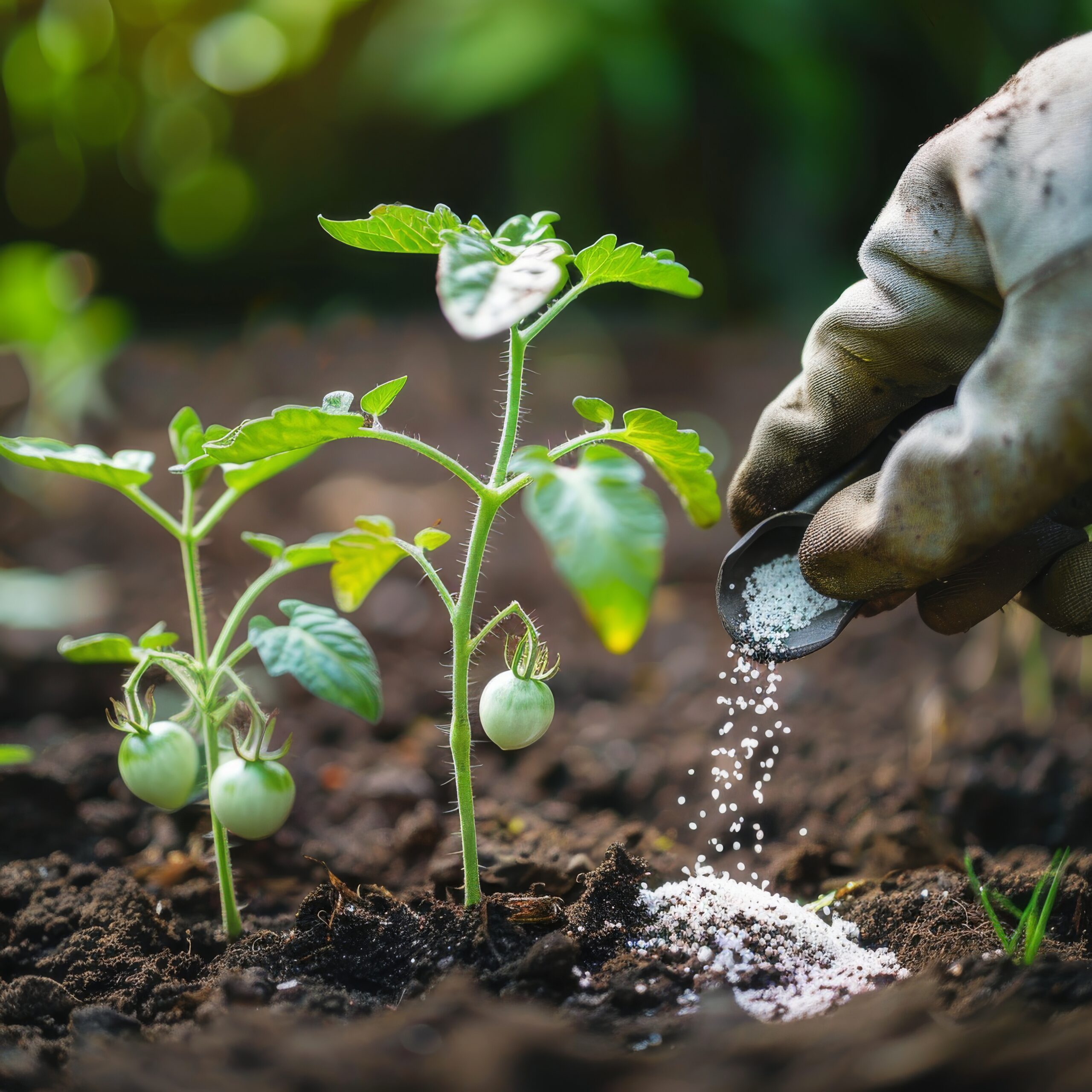

Green hydrogen and innovative fertilizer production can support a more resilient and lower-emission food system in Europe and Africa.
A new briefing from Future Cleantech Architects (FCA) and the United Nations University Vice-Rectorate in Europe (UNU-VIE) explores how, ahead of our joint event on October 12 in Brussels, Belgium.
Key highlights:
- Synthetic nitrogen fertilizers help sustain crop yields that feed approximately half of the world’s population, but their production remains closely tied to fossil fuels and volatile natural gas markets.
- Synthetic nitrogen fertilizers are responsible for 2.5% of global emissions, with around 40% of these emissions arising from production.
- The briefing examines four low-emission production pathways: renewable hydrogen, plasma-based nitrogen fixation, electrochemical ammonia synthesis, and carbon capture and storage.
- We also explore the opportunities and risks of closer EU-Africa cooperation, from building new clean fertilizer value chains to avoiding new supply dependencies and export-only models.
- Policy priorities include scaling affordable clean electricity, supporting innovation, creating demand for low-carbon fertilizers, and embedding food security in future partnerships.