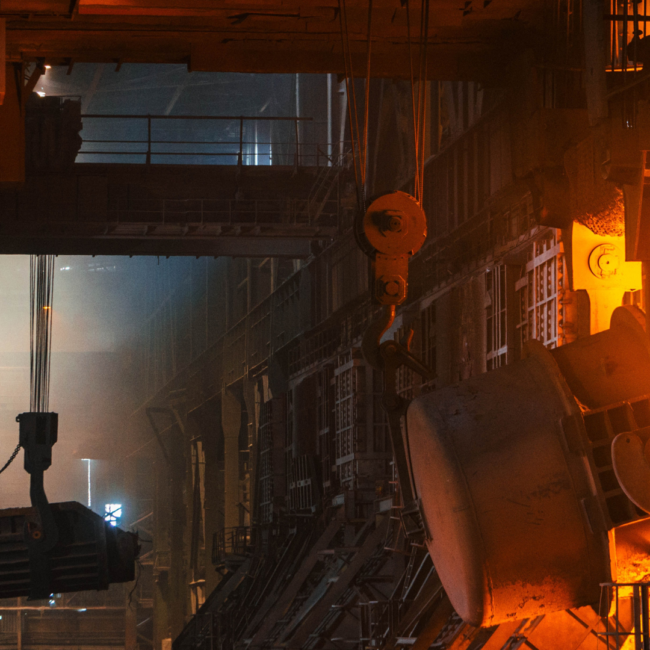
Hydrogen Guardrails Report
FCA's report provides policymakers with guidelines for the development and deployment of clean hydrogen to decarbonize industrial processes and heavy transport.
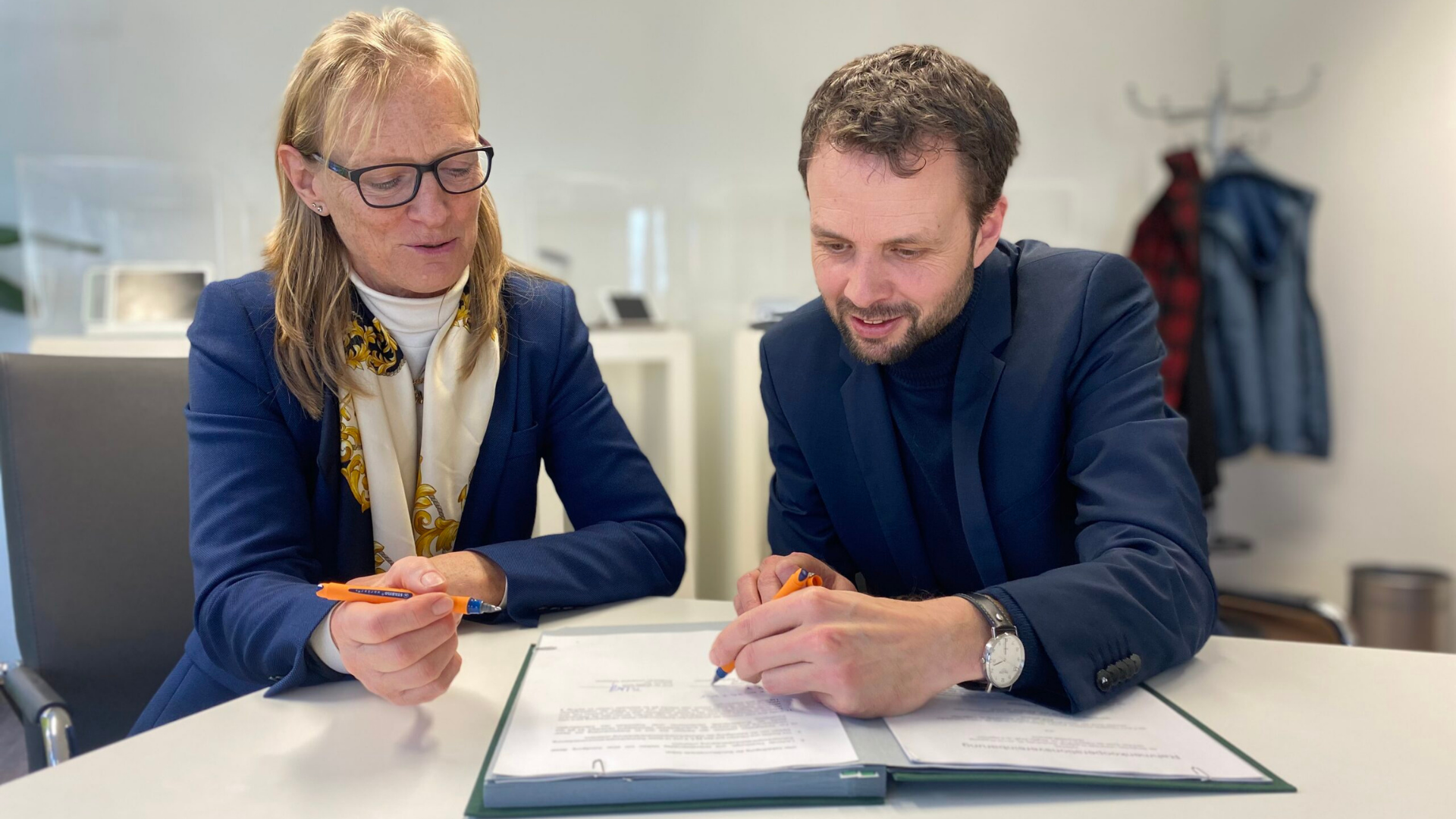
FCA Becomes an Adjoint Institute of the University of Wuppertal
This cooperation includes sharing knowledge, supplementing the university’s teaching program, carrying out joint research projects, and jointly applying research results.
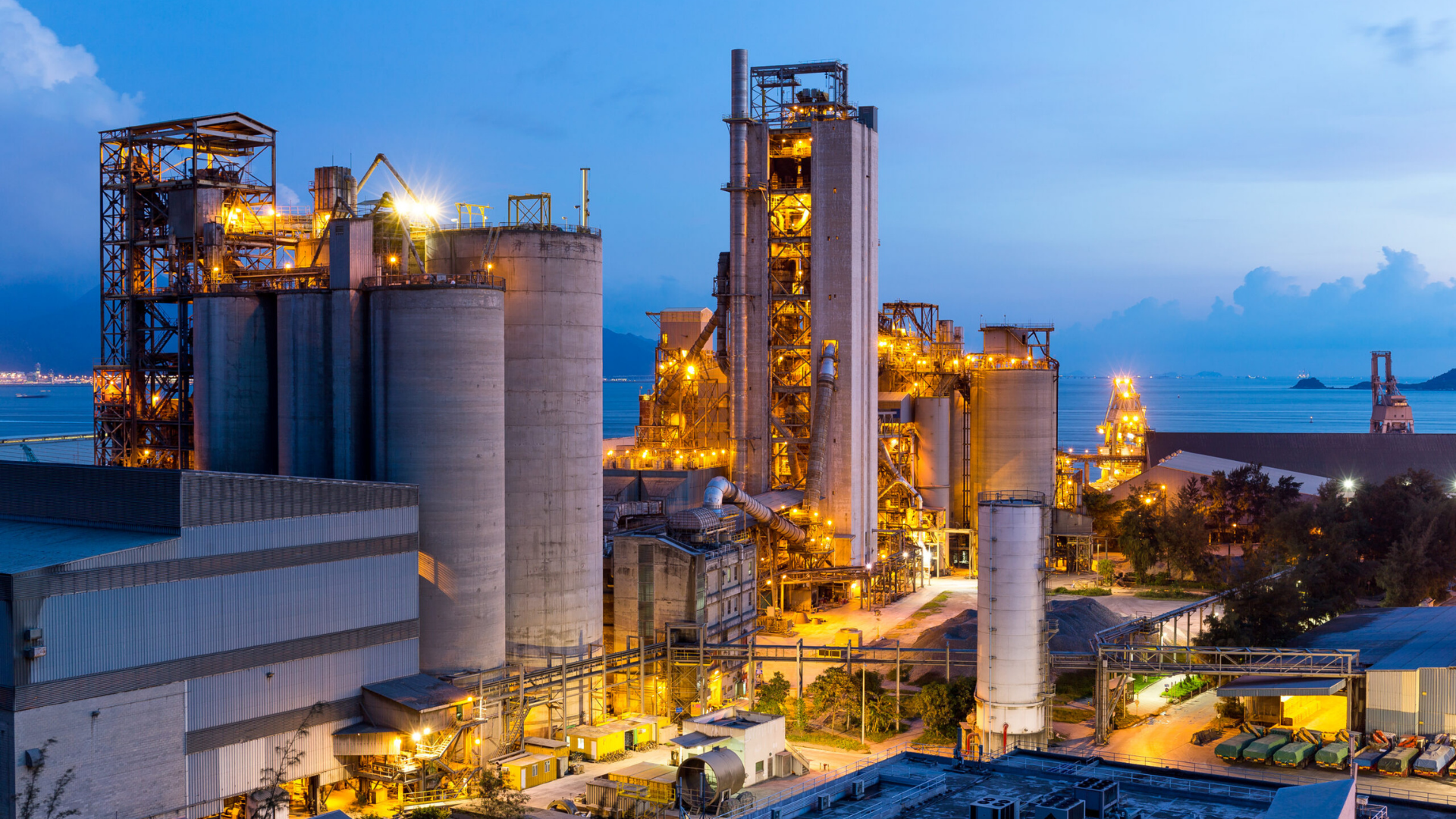
Policy Brief on Decarbonizing the Cement and Concrete Industry
Our recommendations to ensure European cement production aligns with Europe’s 2050 carbon neutrality objectives.
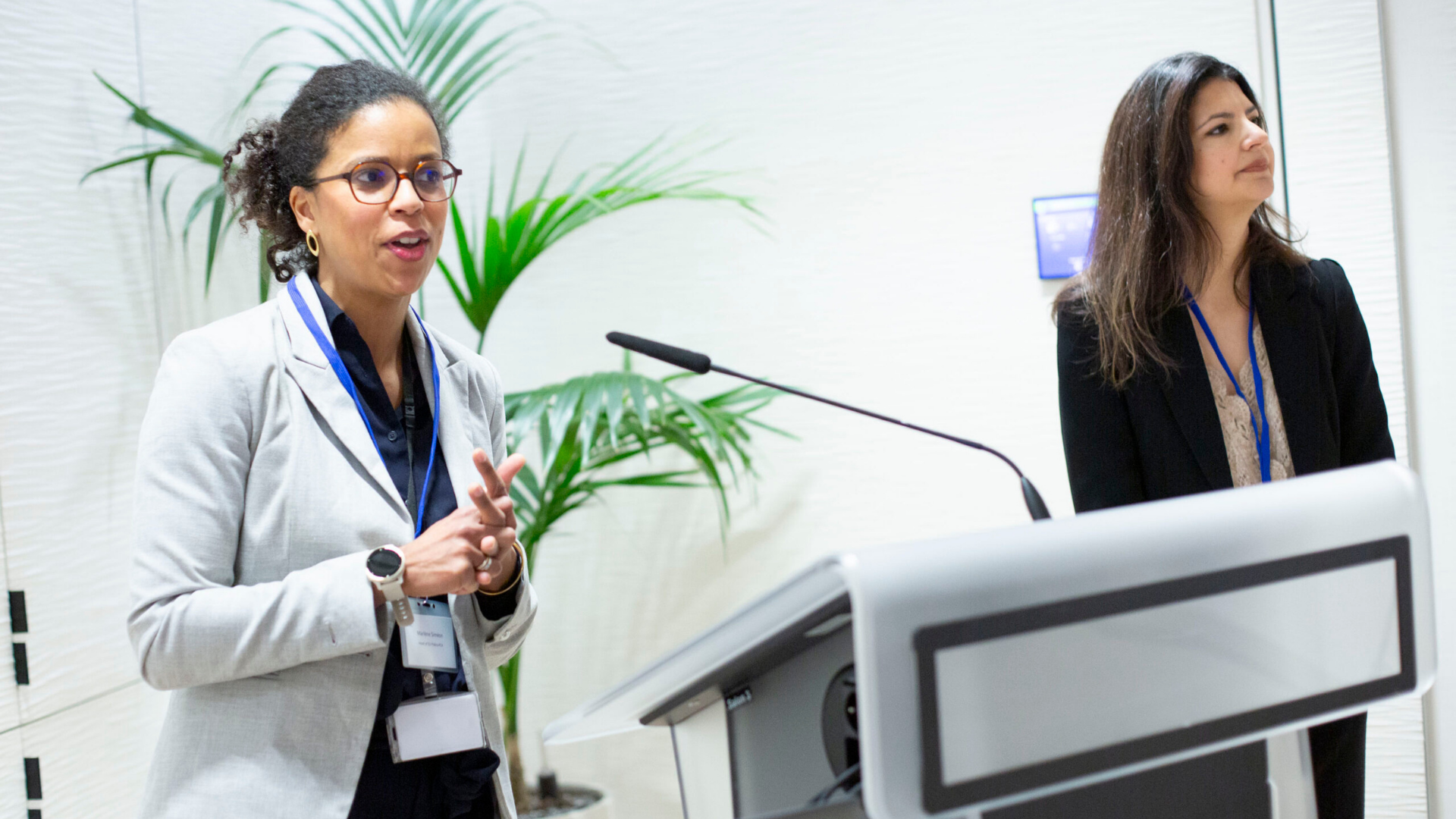
Parliamentary Breakfast on Innovative Renewable Energy
We partnered with Airborne Wind Europe, EUREC, and ETIPWind for a Parliamentary Breakfast hosted by MEP Nicolás González Casares to focus on innovative renewable energy technologies.
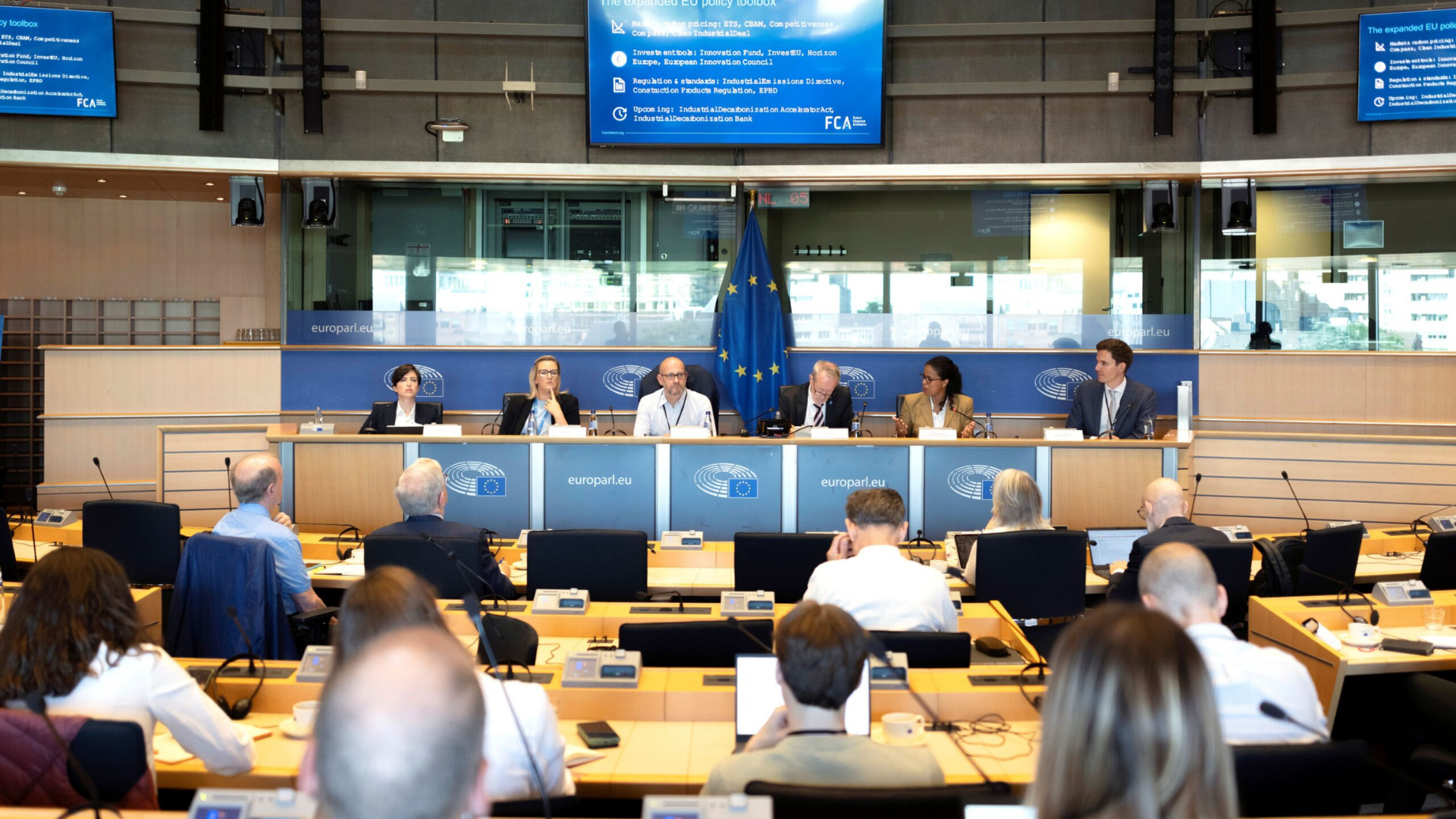
FCA at the European Parliament on Low-Carbon Cement and Concrete
Our Head of EU Policy joined a discussion hosted by EPP MEP Sean Kelly (Ireland) and MEP Radan Kanev (Bulgaria) on the policy pathways to get to the market.
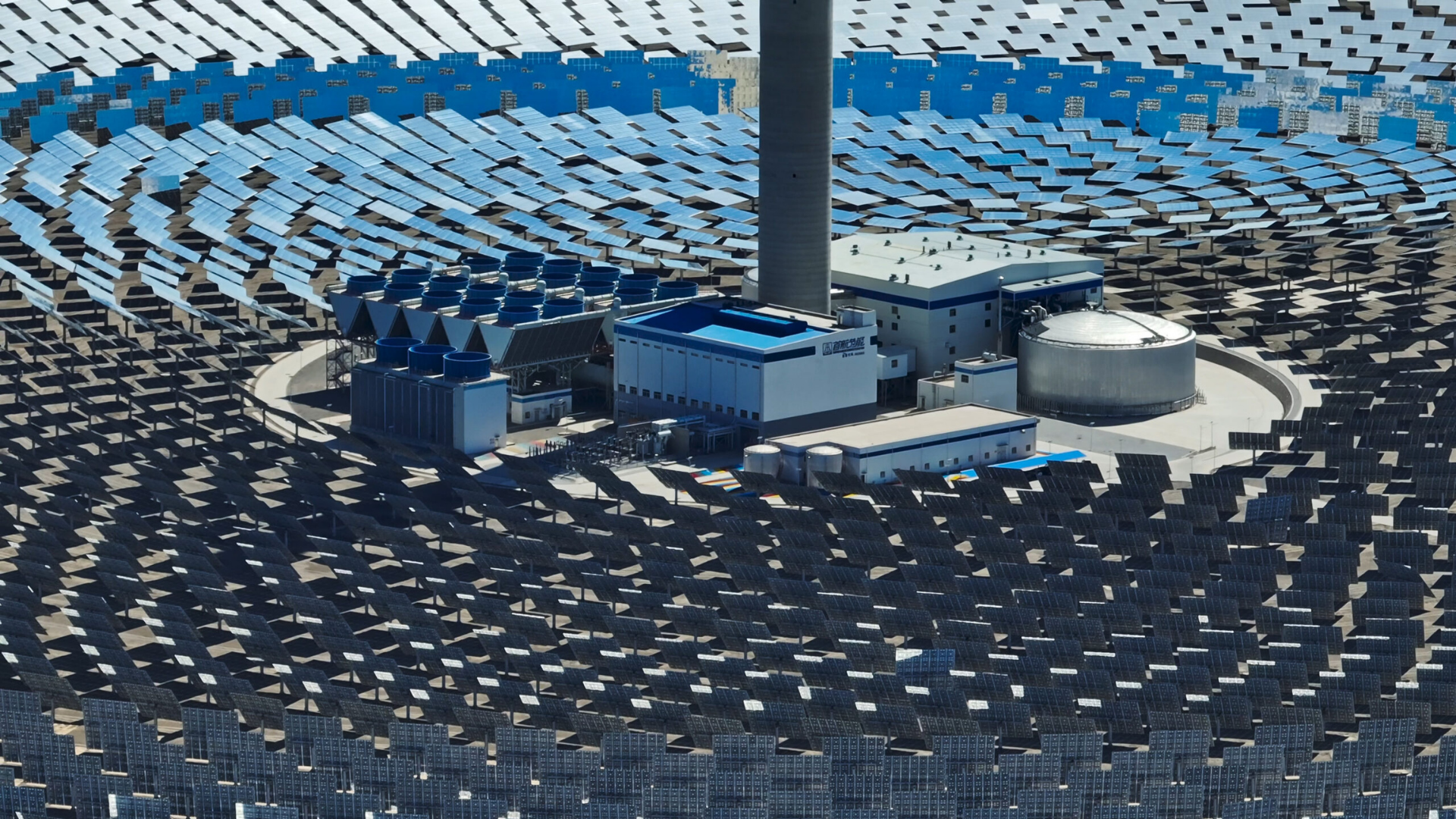
Policy Brief on Scaling Thermal Energy Storage for Decarbonizing Heat
Our five urgent priorities to integrate TES into the EU decarbonization agenda. Insights from ten of the US and Europe’s most advanced TES startups is also reflected across the recommendations in this brief.

FCA at the European Council and the Council of the EU on Innovation for the Steel Industry
We outlined the results of our project on innovation in the steel industry with a focus on the challenges of decarbonization, global value chains, and their transformation.
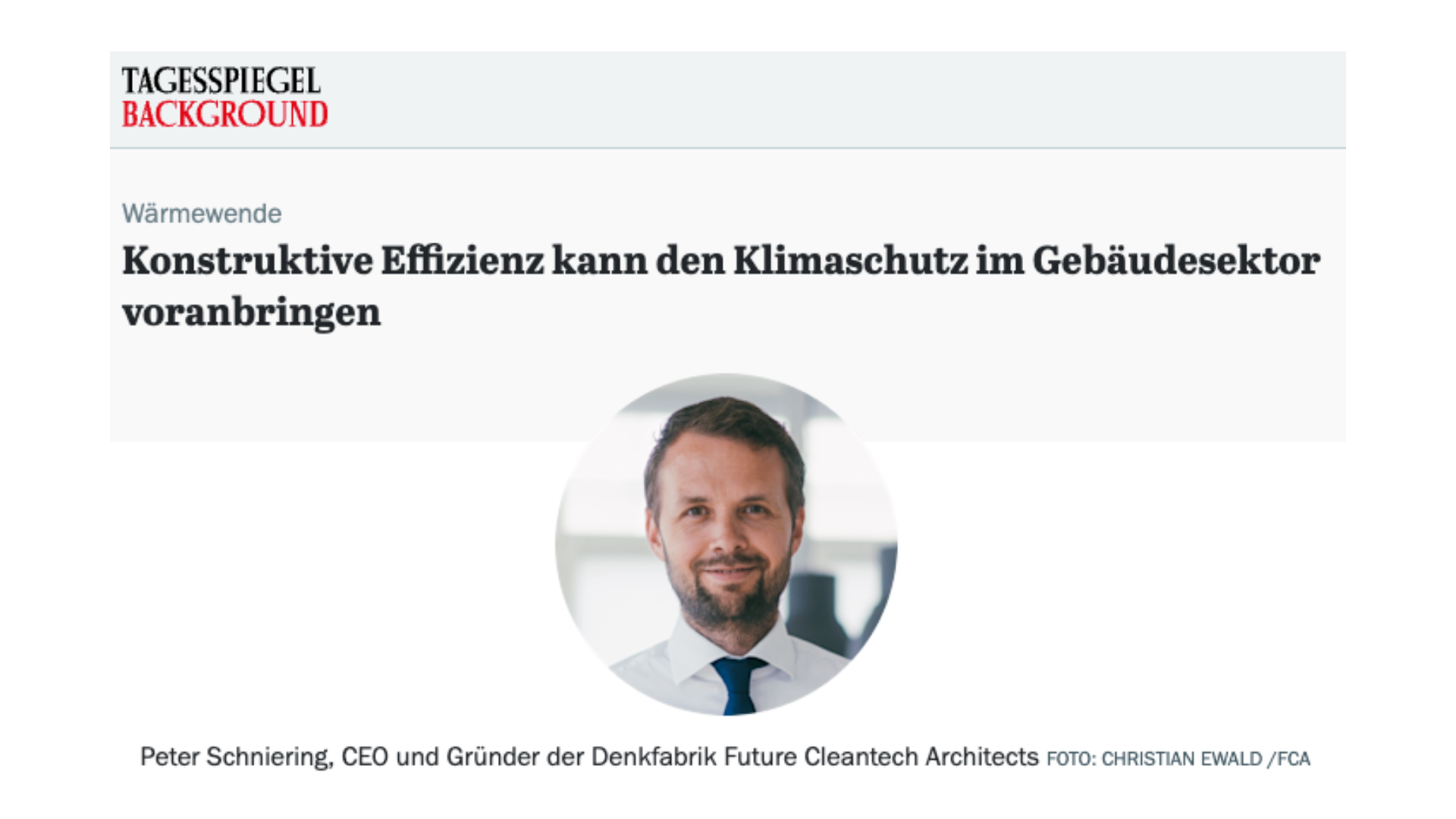
Opinion Piece in Tagespiegel Background on Structural Efficiency
Our founder and CEO argues that structural efficiency is an as yet underutilized tool to drive emissions reductions from buildings.

Technical In-Depth Analysis on Hydrogen Regulation for the European Parliament
FCA presented its in-depth analysis report on the Delegated Act for assessing greenhouse gas emissions savings from low-carbon fuels to the European Parliament.
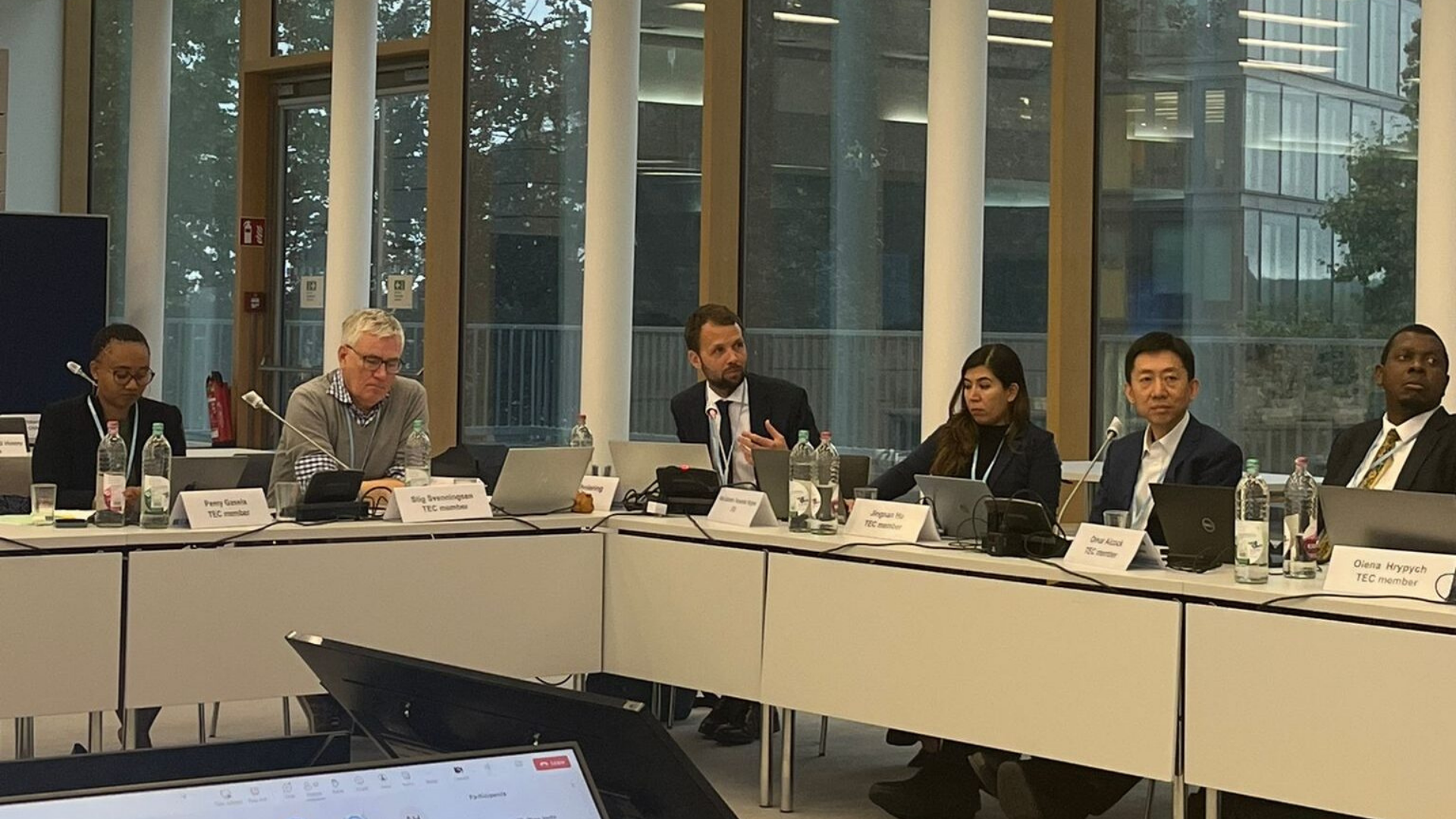
FCA at the 31st Meeting of the Technology Executive Committee of UN Climate Change
We contributed to the presentation delivered by TEC co-chair Stig Svenningsen on the RD&D focus area of energy storage.
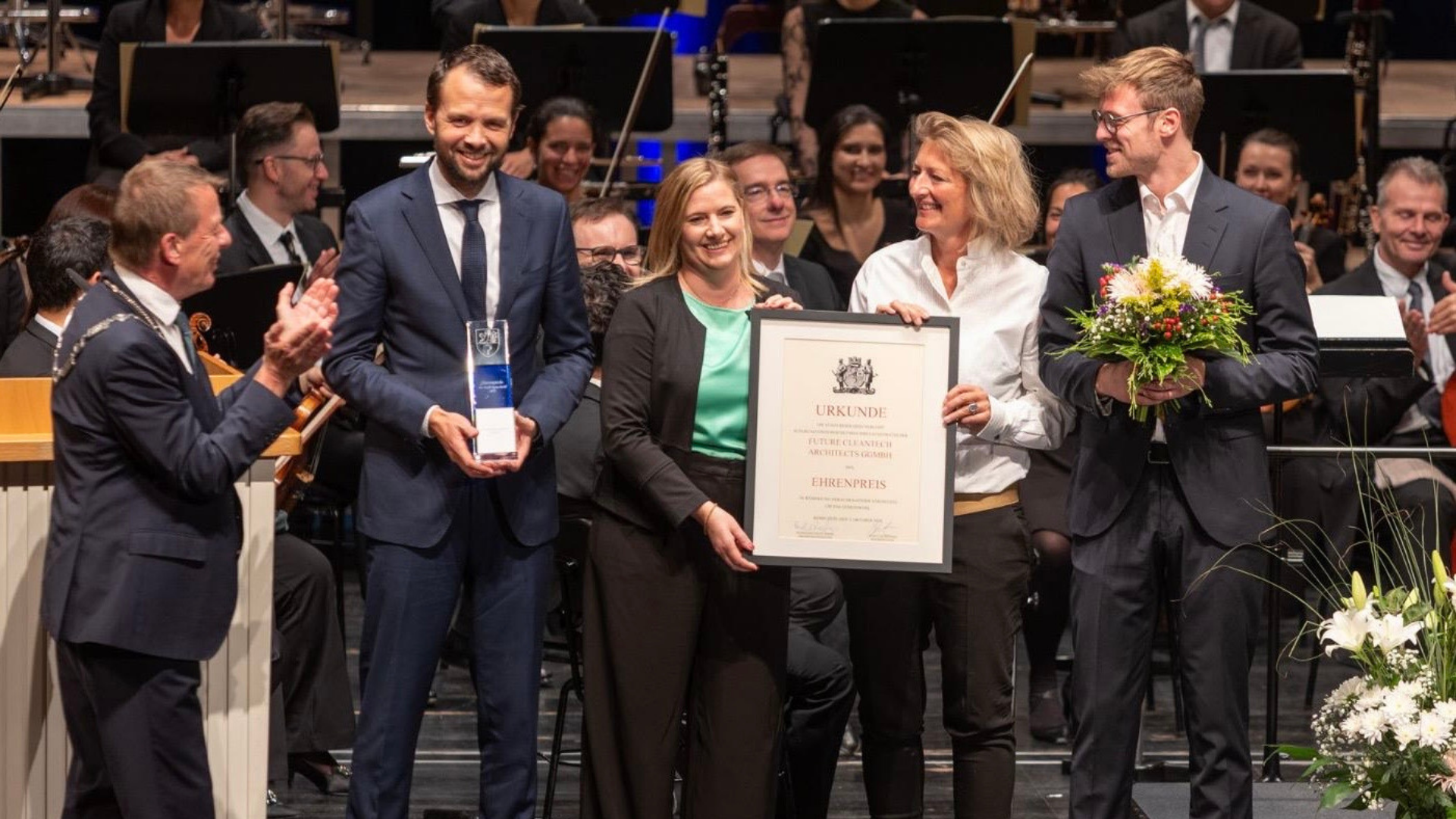
FCA Receives Honorary Award from the City of Remscheid
On German Unity Day, the City of Remscheid presented FCA with its Honorary Award for our work on industrial decarbonization.
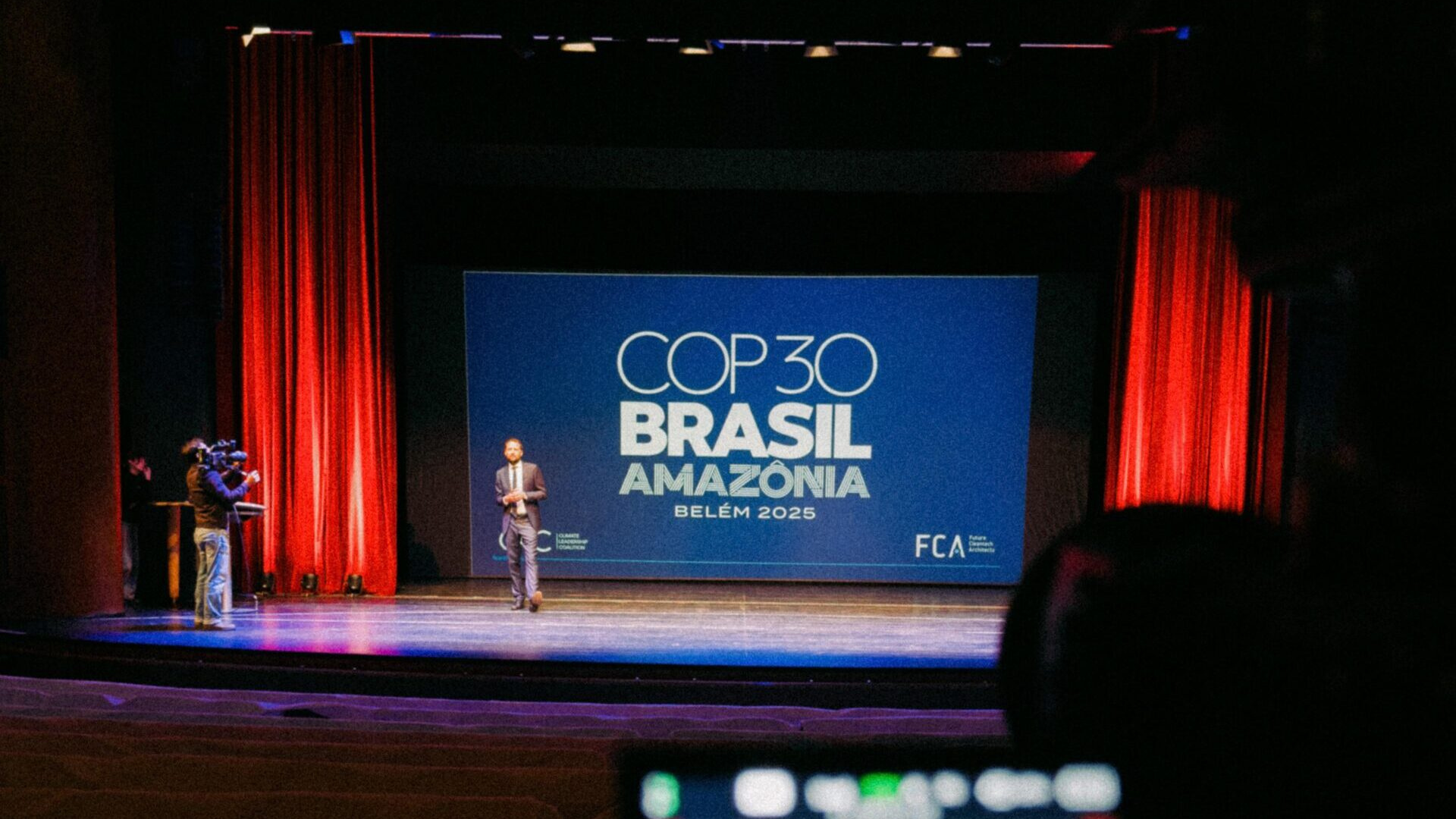
FCA at COP30
FCA co-hosted an official side event on building a near-zero-emissions steel ecosystem and provided a technical input focused on steel decarbonization pathways.
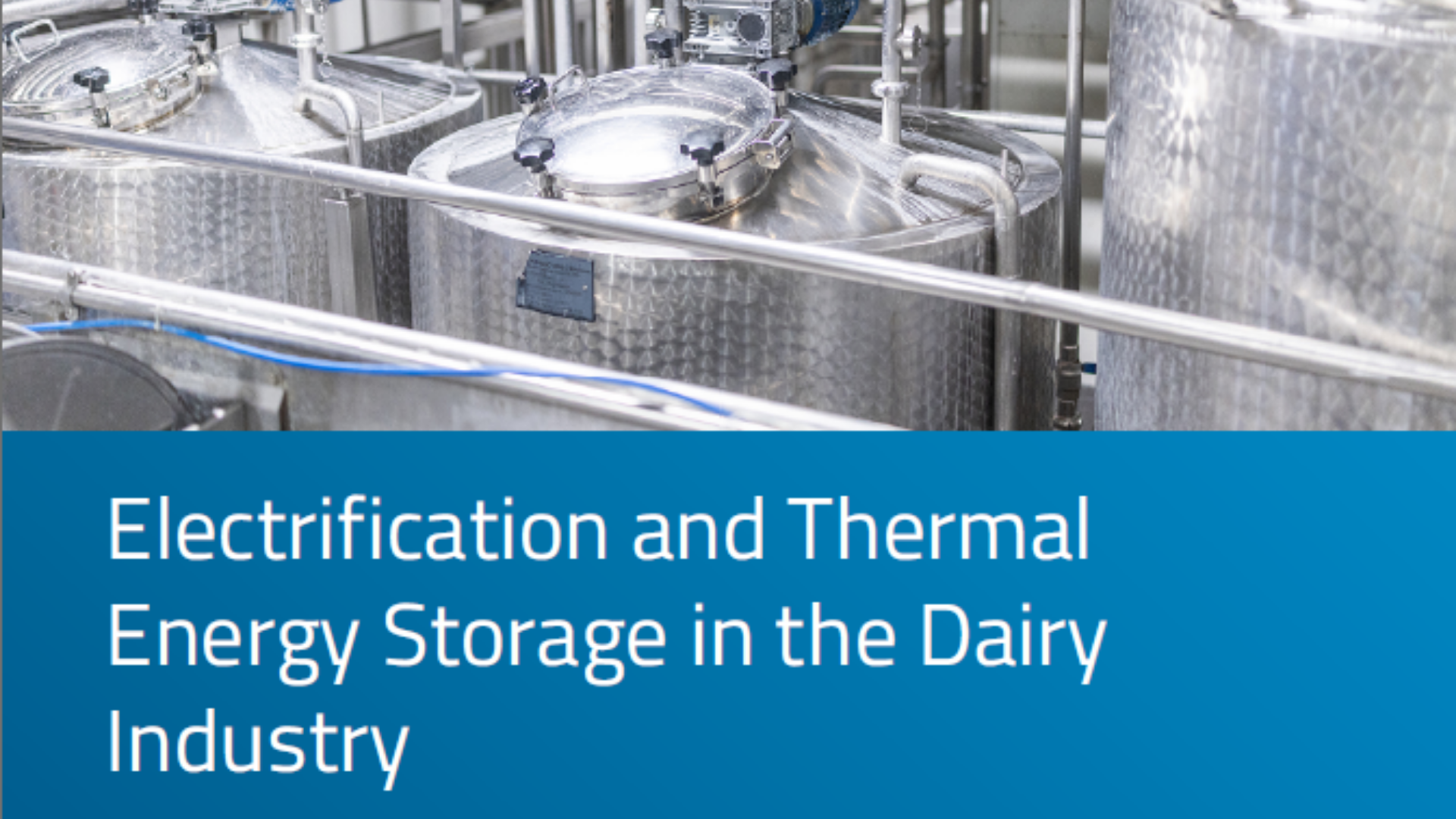
New Case Study on Decarbonizing Heat in Europe’s Dairy Processing Industry
This case study on the decarbonization of the dairy processing industry and the associated business case of heat electrification.
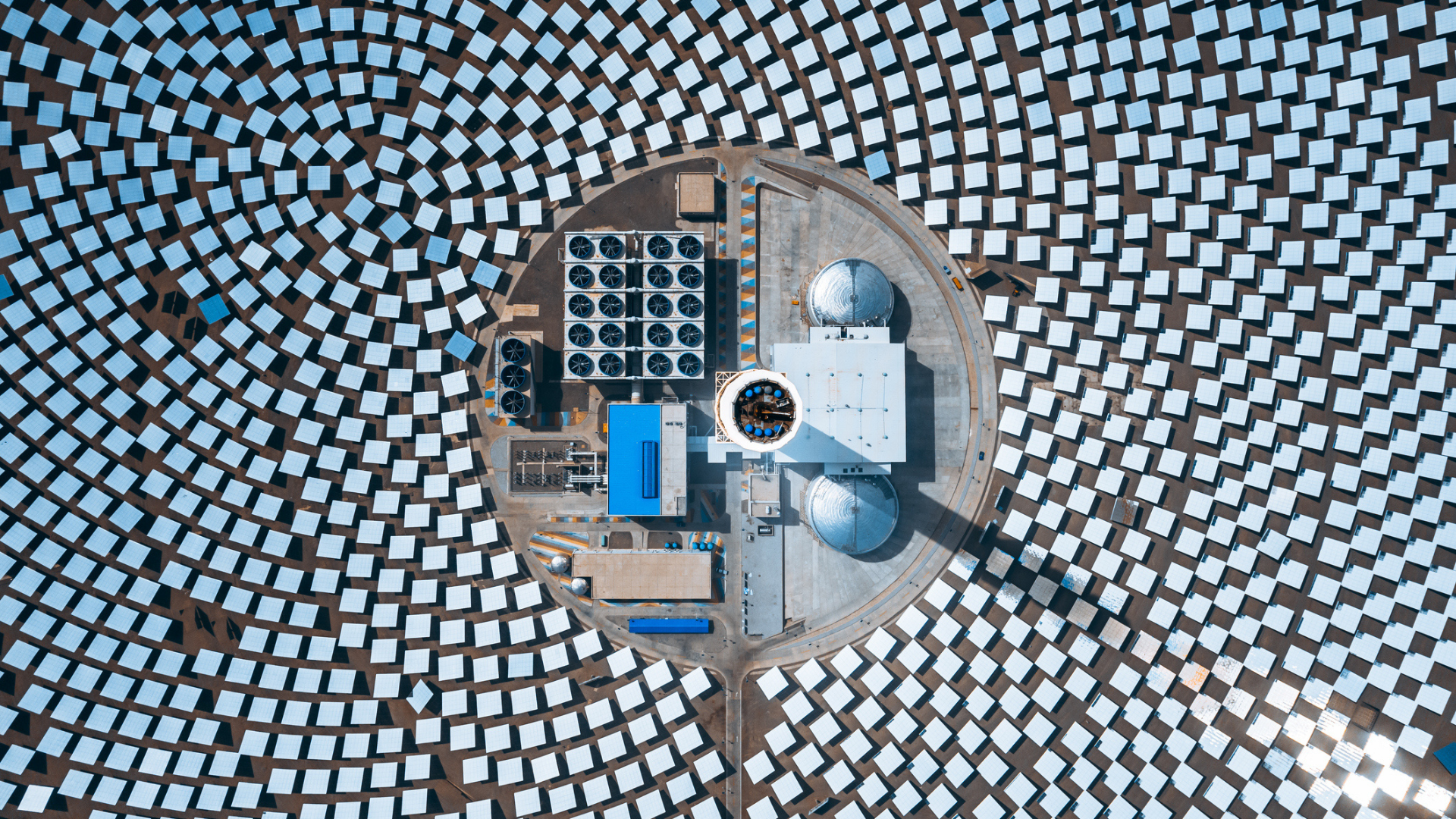
FCA and DG ENER Dialogue with Innovators
We were pleased to convene leading developers of ultra-high-temperature thermal energy storage (TES) at the request of the EU’s DG ENER (EU Energy).
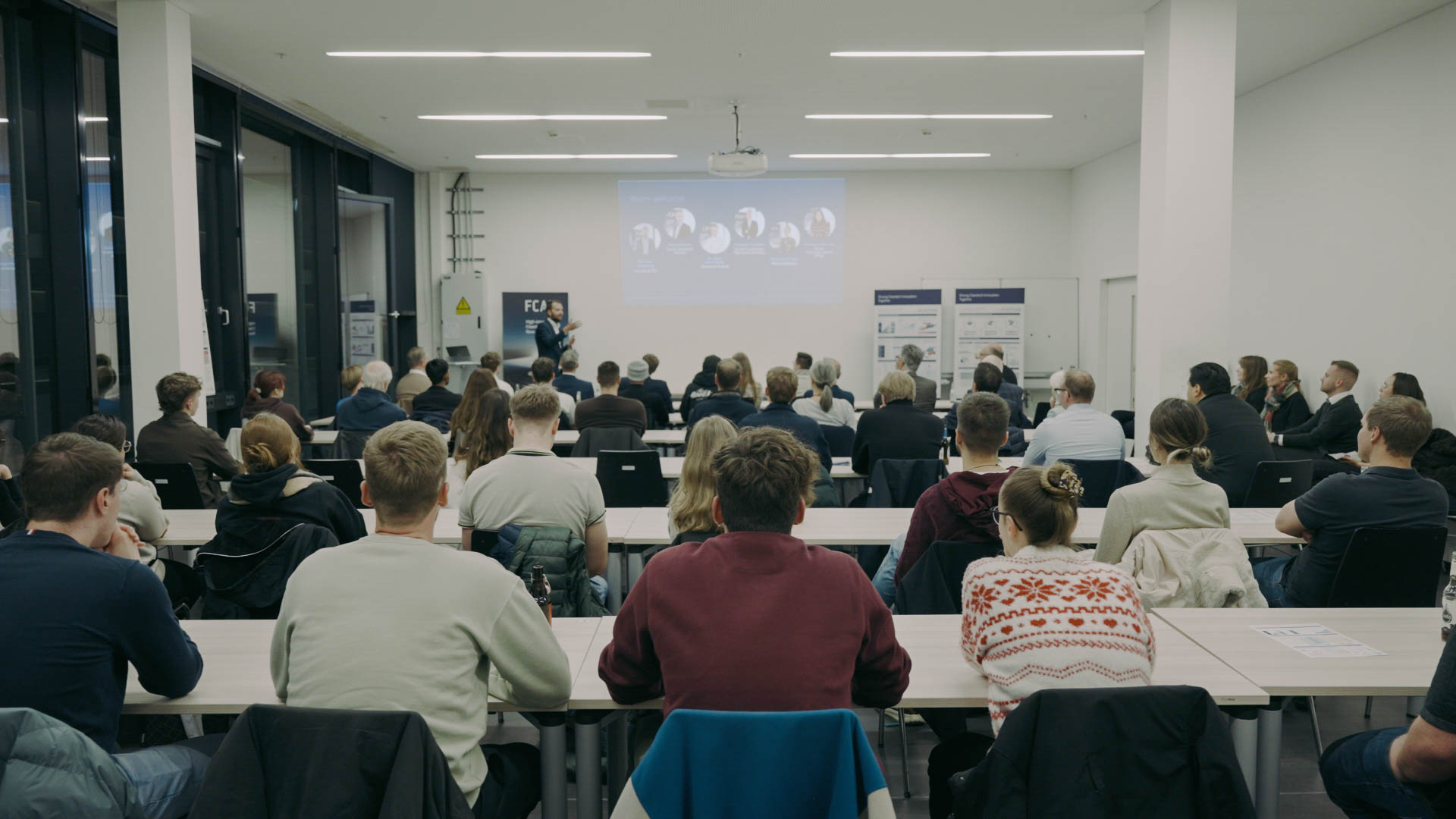
New format: Future Cleantech Lecture Series
We are happy to share that we have launched our Future Cleantech Lecture Series at Bergische Universität Wuppertal. In the first session, we explored why hydrogen is not a silver bullet for most industrial applications and examined realistic pathways for decarbonizing aviation and shipping.
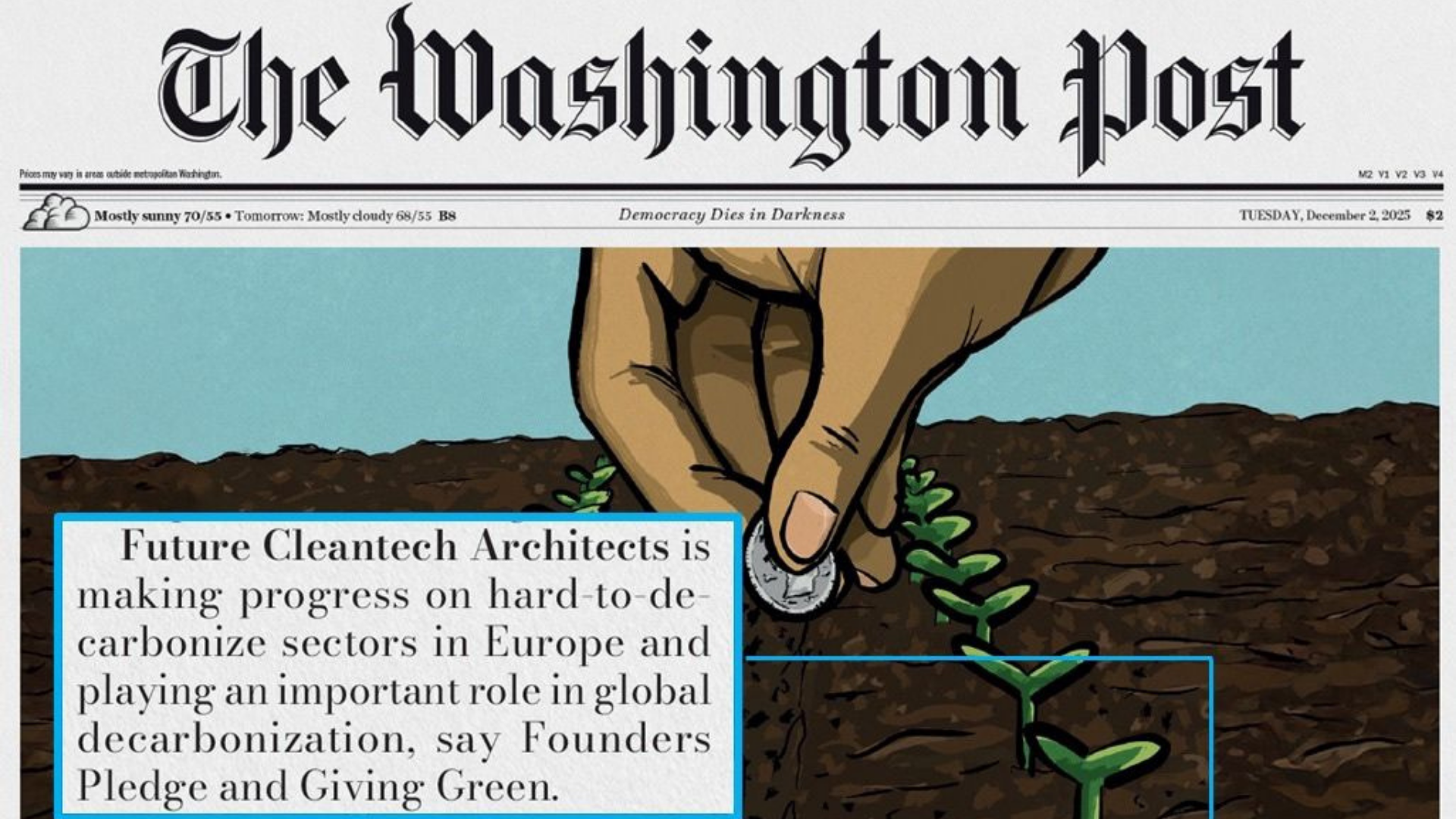
Vox and Washington Post Recommend FCA as a Top Impactful Organization to Donate
We are proud to have been featured last week in The Washington Post as one of the few European organizations recognized for exceptional climate impact.

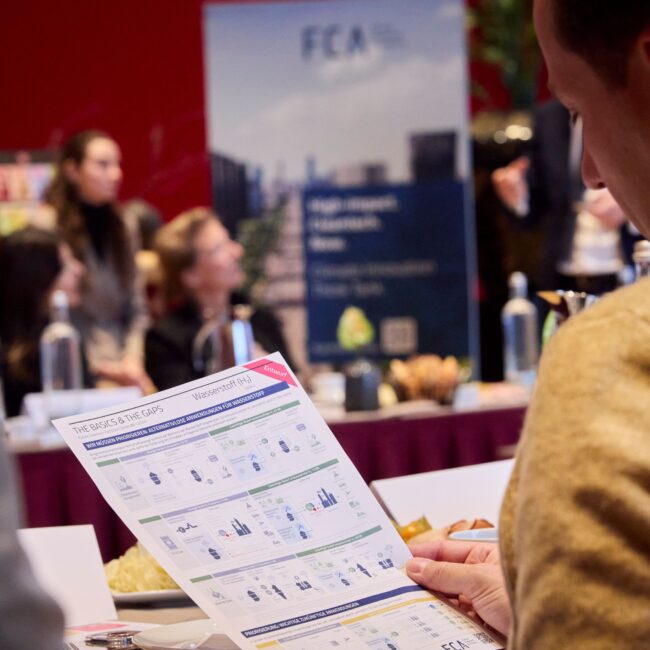
Coffee & Cleantech
Our series of 45-minute technical briefings provides policymakers and advisers with a concise yet sufficient overview on technological innovations for decarbonizing the most neglected hard-to-abate sectors.
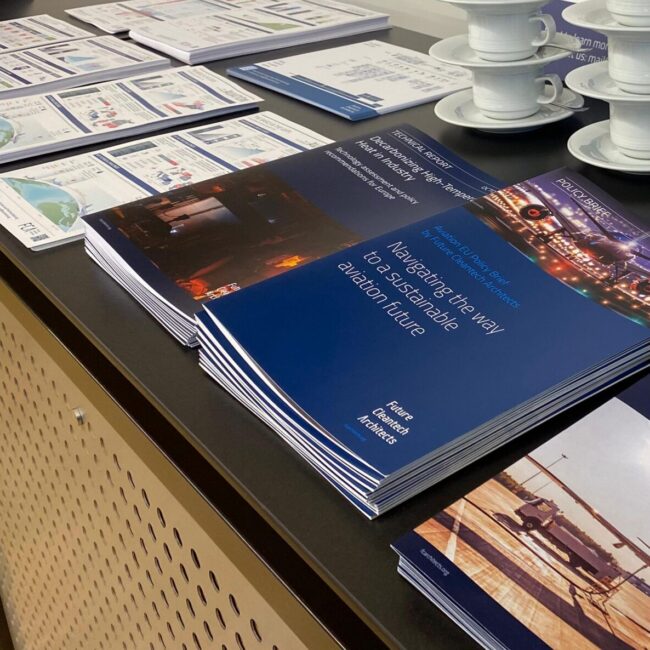
Our Policy Briefs