
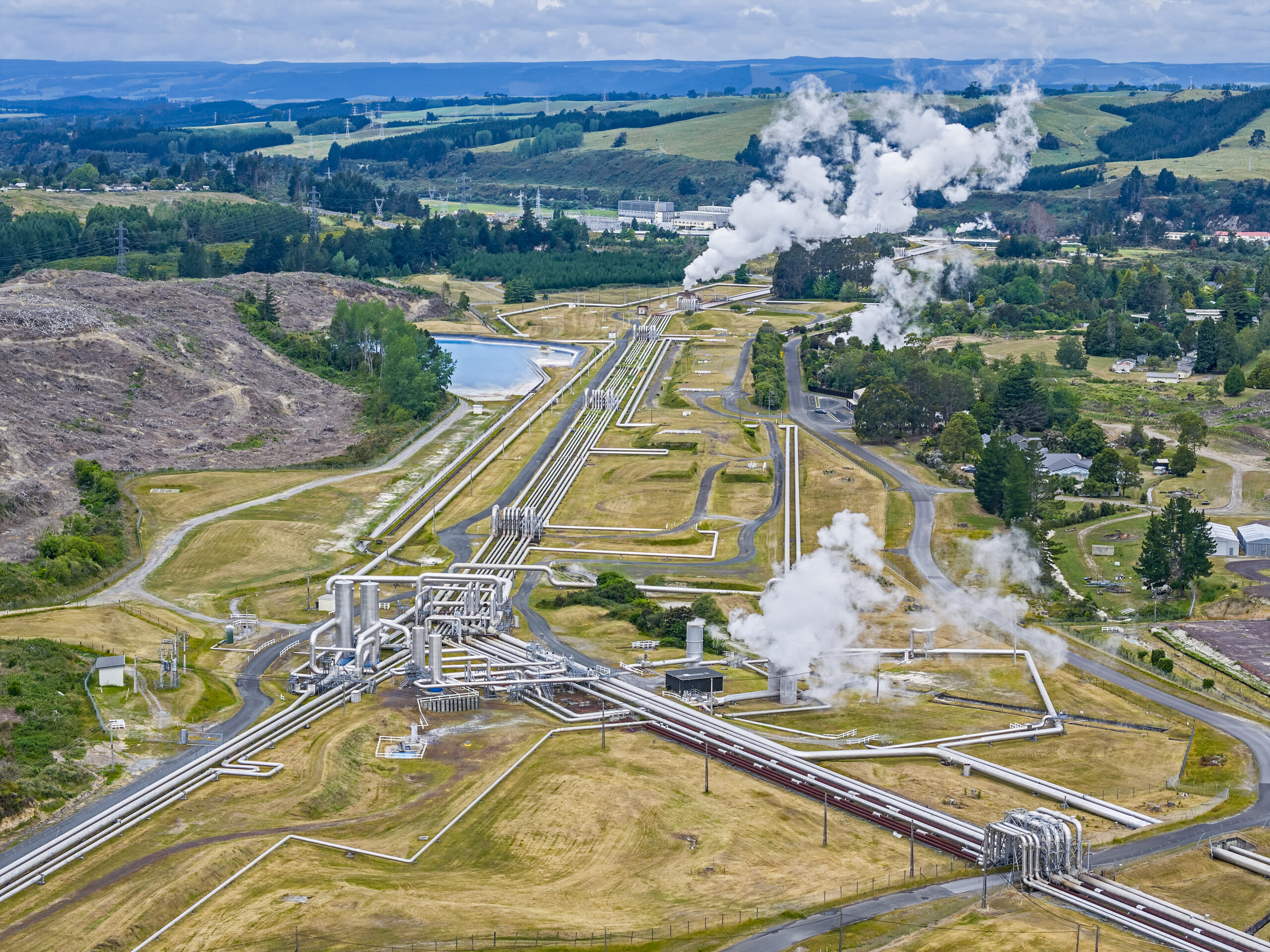

There is abundant geothermal potential to power and heat Europe. Our new Policy Brief on Next-Generation Geothermal asks: What are the policy pathways to finance and deploy this resource?
Conventionally, geothermal energy needed three things in the same place: heat, underground water, and permeable rock. Few places in Europe have all three. But next-generation technologies, such as enhanced geothermal systems (EGS) and closed-loop systems, engineer around these limits. This opens up geothermal across far more of Europe.
The potential is large: up to 40 TW of technical potential for EGS power generation within 8 km of depth. That is about 35 times Europe’s current total installed electricity capacity.
So why is geothermal not deployed at scale yet? Because unlocking this resource depends on the technology, supply chains, business models, and financing needed to access it at a competitive cost, not on whether the heat is there.
Europe does not have a geothermal resource problem. It has a cost and deployment problem.
Five key takeaways from the brief:
✅ Geothermal is a complement to wind and solar. As a source of clean firm power, it is dispatchable and weather-independent and can contribute to energy security.
✅ Heat is the nearer-term opportunity for Europe. Geothermal for heat would address a 700 TWh/year EU market for industrial heat below 200°C.
✅ Geothermal is not an all-or-nothing technology requiring a single breakthrough before deployment can begin. It is a continuous innovation pathway, in which progressively better drilling, reservoir engineering, and project development can open increasingly valuable applications, including electricity.
✅ Up to 80% of the skills and expertise next-gen geothermal needs already exist in the oil and gas industry.
✅ Drilling can constitute up to 75% of total well cost, the single biggest lever today for bringing costs down.
Our policy recommendations are:
1️⃣ Create markets and recognize the value of next-generation geothermal for the energy system
2️⃣ Use heat as a learning market for district heating and low-temperature industrial heat below 200°C
3️⃣ Reduce exploration risk and the cost of drilling
Improve project revenue certainty
4️⃣ Build a European ecosystem: innovation, permitting, deployment
5️⃣ Develop international geothermal innovation partnerships to accelerate learning