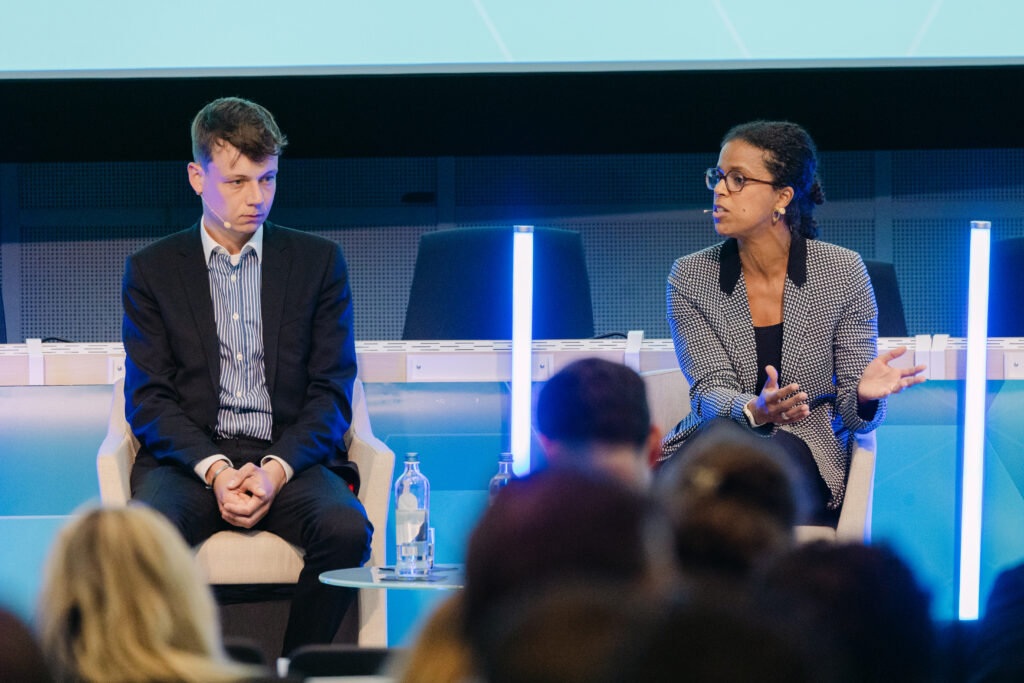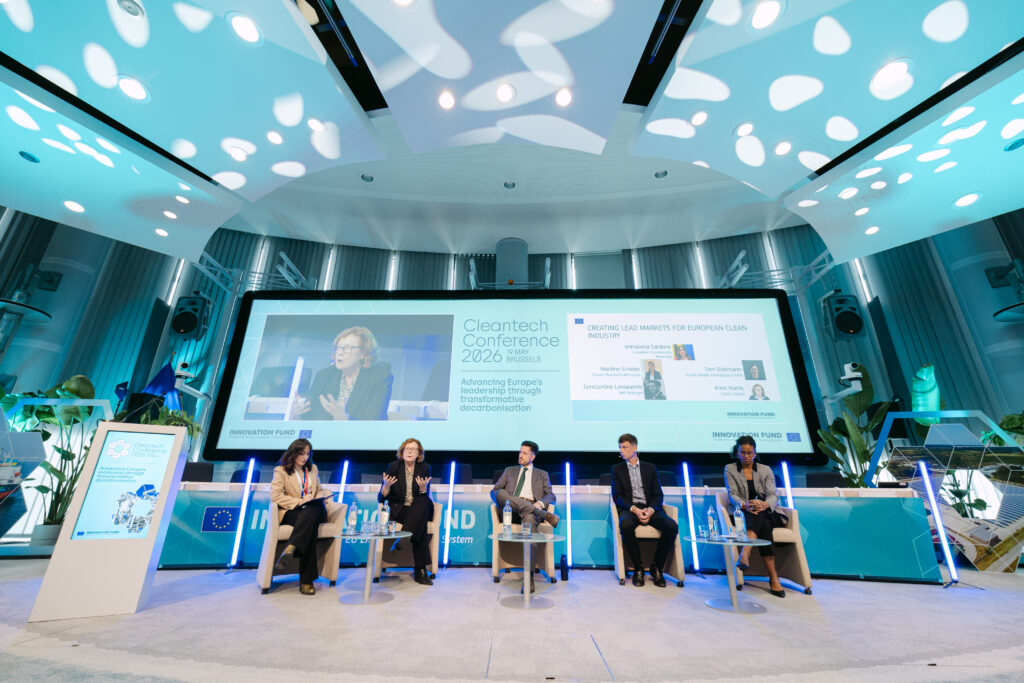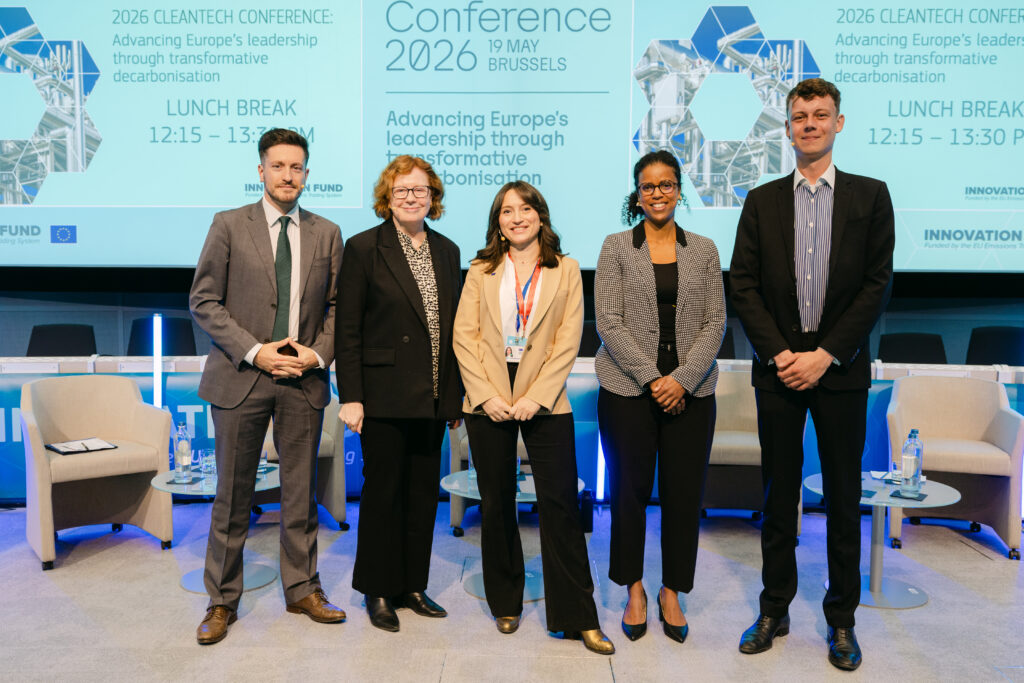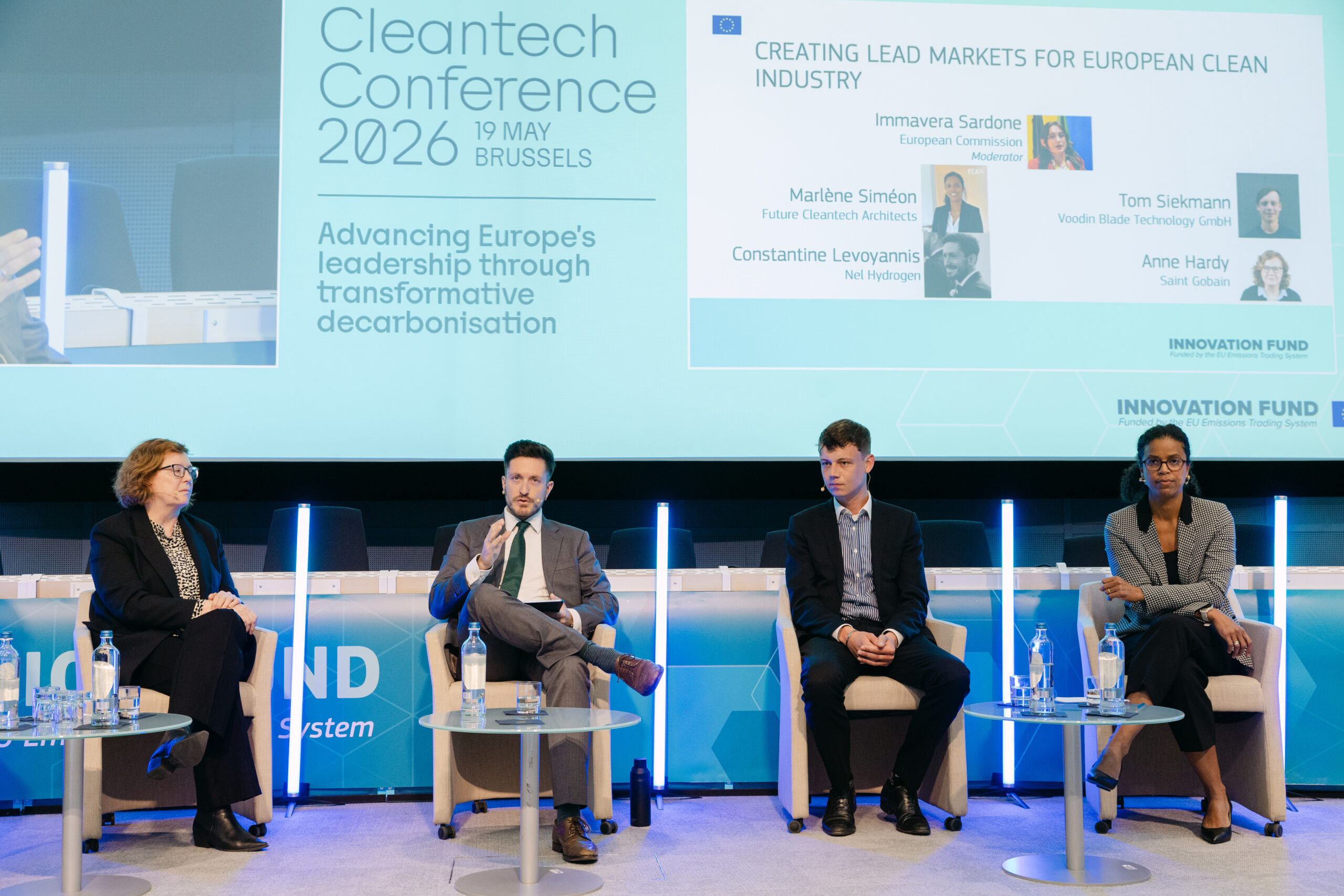

Yesterday, at the European Commission’s 2026 Cleantech Conference, FCA Policy Director Dr. Marlène Siméon spoke about the challenges and opportunities shaping Europe’s industrial transition.
Her core message: industrial decarbonization is no longer only climate policy. It is also about creating the business case for cleantech through demand, investment certainty, and the right policy incentives for industry. From industrial heat and steel to construction and grids, the challenge is how Europe can create the conditions for cleantech solutions to scale and deploy successfully.
This includes:
- financial mechanisms that help de-risk cleantech projects, support early deployment, and provide predictable investment conditions.
- stronger demand-side policies, including public and private procurement frameworks, standards, and carbon pricing that create lead markets for low-carbon materials and technologies.
- faster grid connections and infrastructure planning to support industrial electrification
- more resilient supply chains and reduced dependence on critical raw materials through innovation and alternative technologies.
Closing the climate innovation gap requires much stronger collaboration between policymakers, industry, startups, researchers, and investors.
These are also some of the key themes we will continue exploring next month at the Future Cleantech Festival in Remscheid, Germany.