
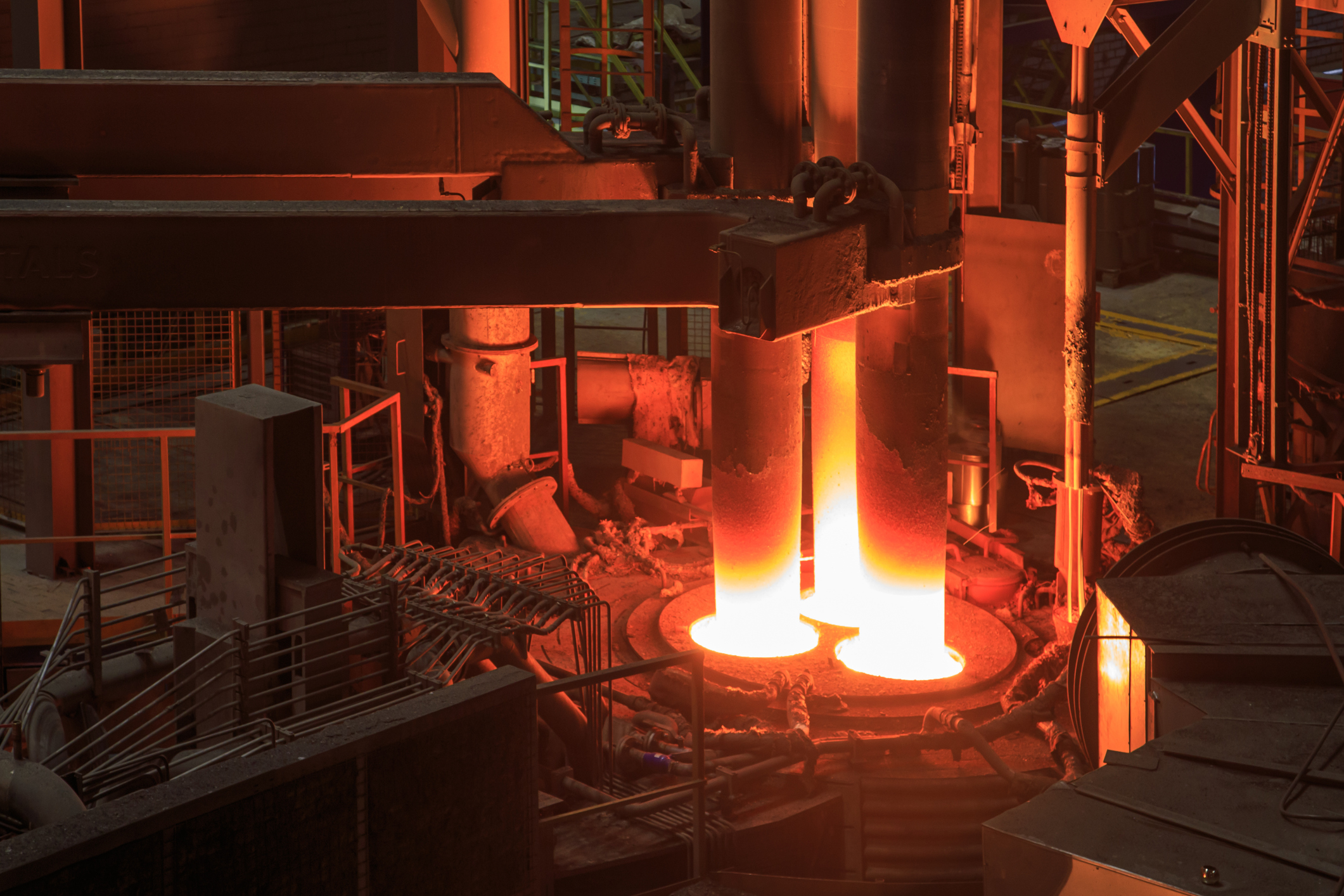

Steel forging is an energy- and emissions-intensive process. Large steel workpieces must be heated to approximately 1200°C in natural gas-fired furnaces before deformation.
Our latest case study examines how electrification of steel forging furnaces, combined with thermal energy storage (TES), could reduce emissions, improve resilience, and support flexible electricity consumption.
Using a large open-die forging facility in Germany as the reference case, the findings are relevant to the wider European steel and metals processing sector, and more broadly to any industry requiring high-temperature process heat.
Main findings:
- Compared to other decarbonization options, electrification of steel heating furnaces is a strategic safer bet.
- Today, natural gas remains the cheaper fuel, and the business case for electrification depends on the continued buildout of renewables and increasing periods of low wholesale electricity prices.
- Hydrogen, biomethane, and carbon capture are likely to remain costly or constrained by realistic supply.
- Thermal energy storage can reduce operating costs by enabling electricity consumption during low-price hours.
- The fastest route to scale is to make electrified high-temperature heat investable through grid reform, permitting, and de-risking instruments.
The furnace technology has already been demonstrated. Now we need to unlock it with affordable clean energy and smarter system integration.