
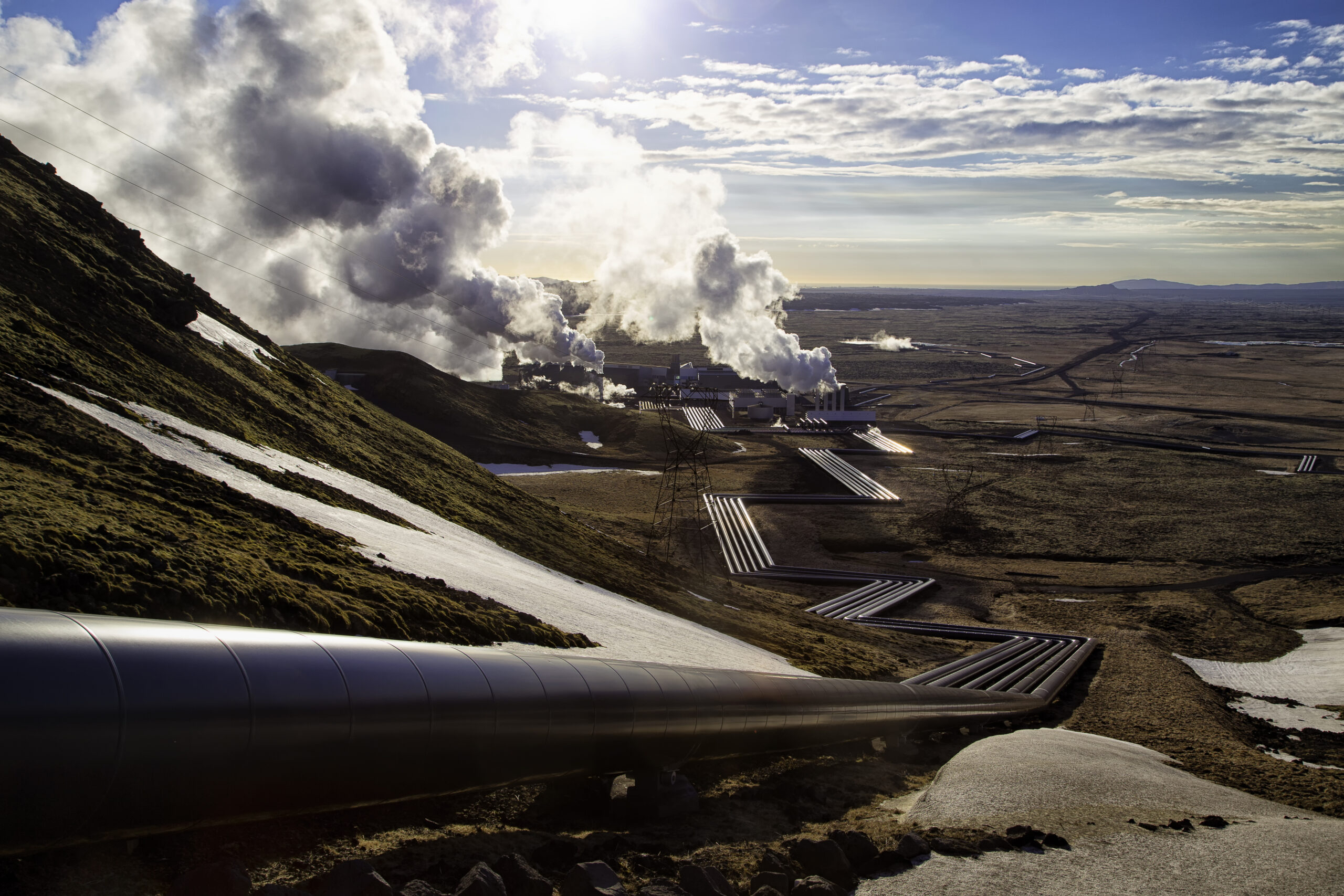

Geothermal is a renewable form of energy generation that works by drilling into the earth to extract the heat naturally present underground, keeping the surface footprint low. Depending on its temperature, this heat can be used either directly, such as heating a building or an industrial process, or it can be used in a power plant to produce electricity.
Geothermal energy holds significant, yet largely untapped, potential to strengthen Europe’s energy security and provide flexible, clean heat and power. According to the IEA, Europe has nearly 40 TW of technical potential for enhanced geothermal power generation below 300 USD/MWh, equivalent to 35 times Europe’s current installed electricity capacity across all technologies.
Our new standpoint provides an overview of emerging geothermal technologies, with a focus on direct heating applications in Europe. Some highlights include:
- Geothermal potential is distributed across the EU, with hot spots in France, Italy, and Central Europe, but the techno-economic resource evolves with drilling capability and cost.
- Improvements largely stem from drilling technology: drilling faster and more autonomously matters because drilling time accounts for most of the total well cost.
- Geothermal benefits from strong overlap with oil & gas skills: an estimated 65–80% of the sector’s required expertise overlaps with oil and gas, aiding deployment.
- For ultra-deep drilling beyond 5-10 km, highly innovative approaches are being investigated, such as high-pulsed-power drilling, thermal-shock drilling, millimeter-wave laser, plasma drilling, high-pressure water jet, percussive, and directional steel-shot methods.
- A useful characteristic of geothermal is its gradual nature: drilling deeper yields higher temperatures and unlocks progressively better performance and new target applications.
Read the full standpoint to learn more about Europe’s geothermal potential here.