
Energy System
As intermittent renewable energy increases, energy storage will be crucial for security of supply.

Transport
Aviation and shipping together are responsible for about 5% of global annual CO2 emissions.

Construction
Cement production contributes ~5% of global emissions and demand is expected to continue growing.

Green Hydrogen
Hydrogen’s role in the German and European path to climate neutrality is highly controversial.
Future Energy System
Transport
Construction
Green Hydrogen
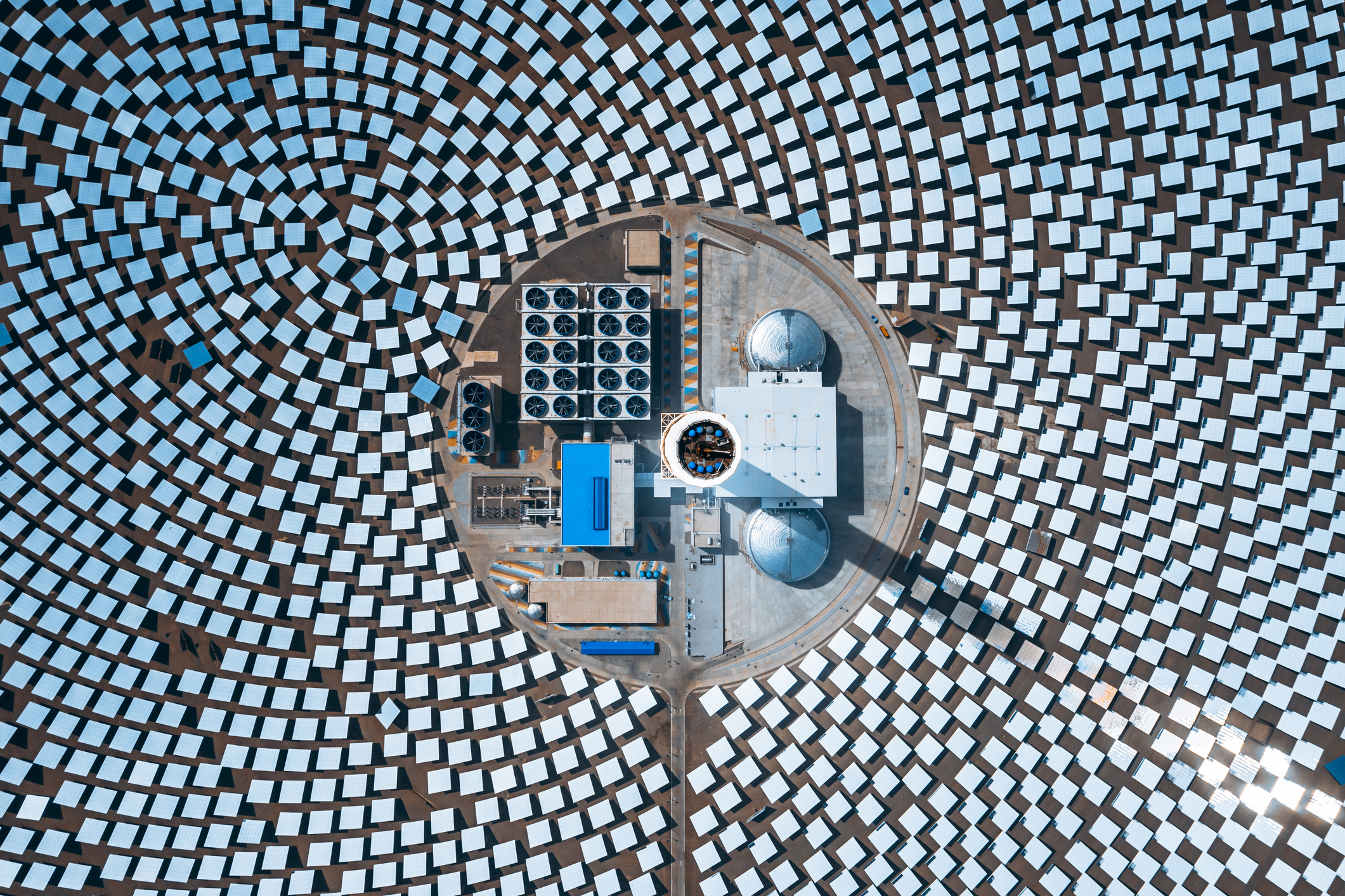
Tech
We focus on research in neglected, hard-to-abate sectors, and initiate high-impact research consortia.
Policy
We aim to provide decisionmakers with the necessary research and technological background to make informed decisions.
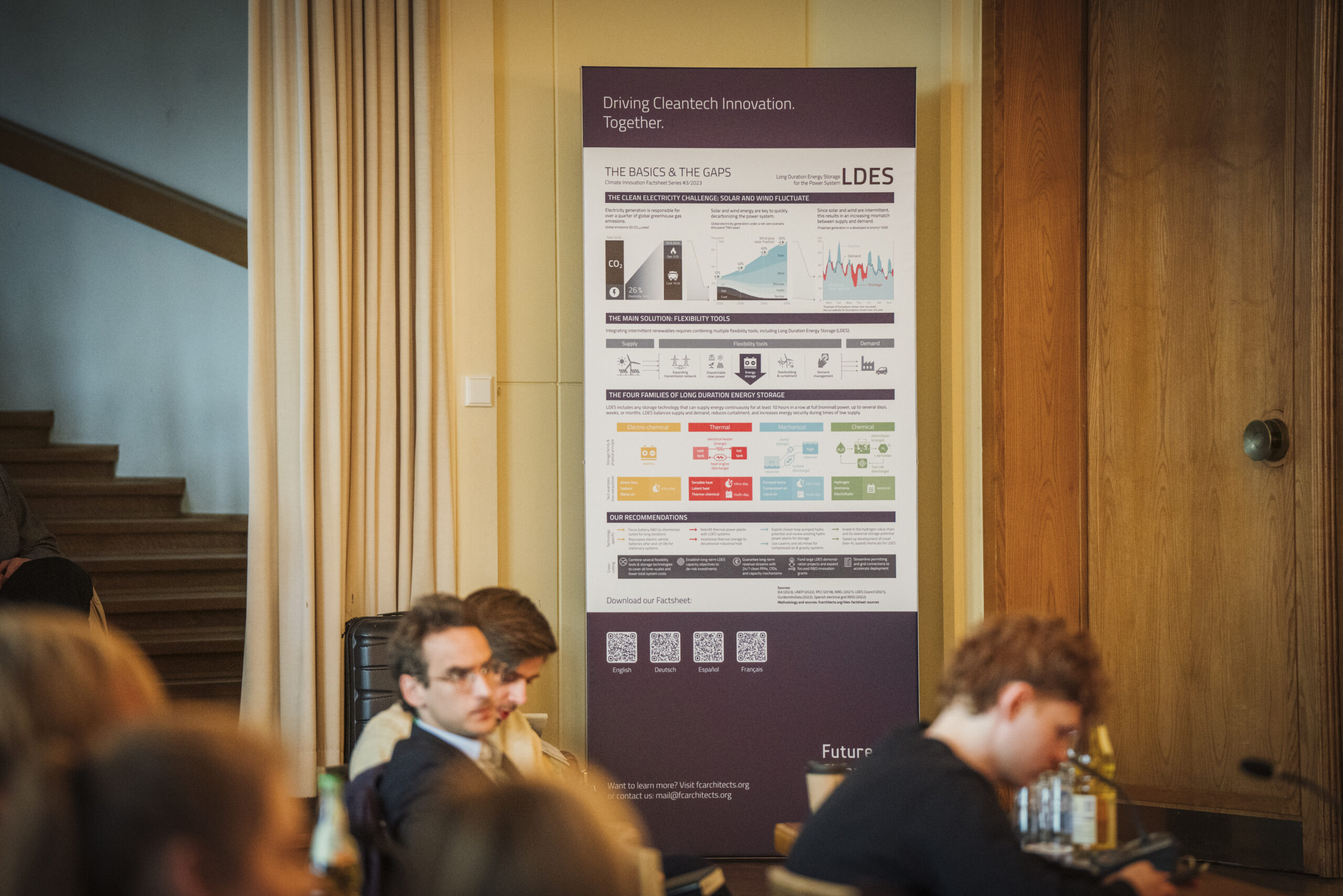
Impact
We are commited to provide independent analysis, free from investor and political influence, to achieve the highest impact.

Blogpost | What “Made in Europe” Really Means for Cleantech and Industry
15. January 2026What “Made in Europe” Really Means for Cleantech and Industry Blogpost by Marlène Siméon, based on the input of FCA’s cleantech analysts and policy team members For Europe, the debate around “Made in Europe” often gravitates toward two polarized choices:...

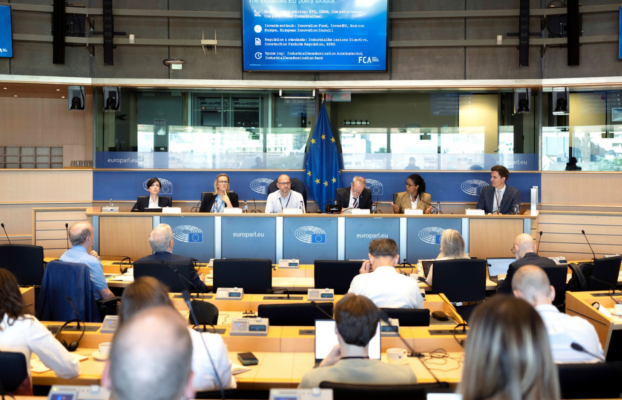
2025 in Review: Our Milestones
13. January 2026Last year marked an important phase of growth for our team. We welcomed new talent across our leadership, cleantech analysts’ unit, and European policy team.Throughout 2025, FCA continued our work on construction, high-temperature heat, long-duration and thermal energy storage, and...

FCA Wishes You a Great Holiday Season!
25. December 2025As 2025 comes to a close, we are reflecting on five inspiring years together.Since we started, we have navigated a political climate as changeable as the weather, yet the pace of innovation across key cleantech sectors has only accelerated. The...
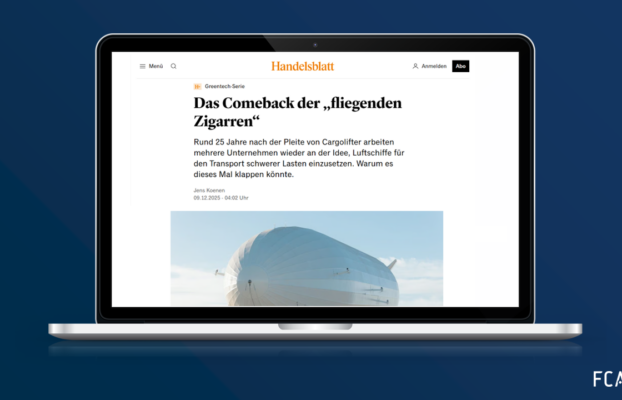
The Comeback of the Airships: New Release in Joint Series with Handelsblatt
23. December 2025After 25 years, airships are once again attracting attention as a potential solution for transporting heavy loads. Several companies are revisiting the concept, supported by advances in materials, propulsion systems, and certification processes. “Airships are among the very few means...
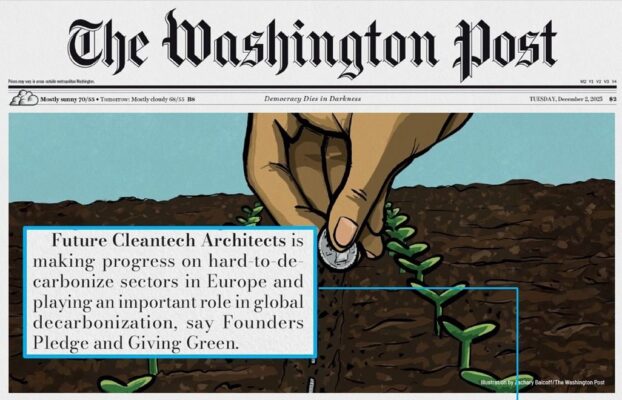
FCA Highlighted by Washington Post as One of the Few European Organizations Recognized for Exceptional Climate Impact
12. December 2025We are proud to have been featured last week in The Washington Post as one of the few European organizations recognized for exceptional climate impact. The article cites charity evaluators Giving Green and Founders Pledge and highlights Future Cleantech Architects...
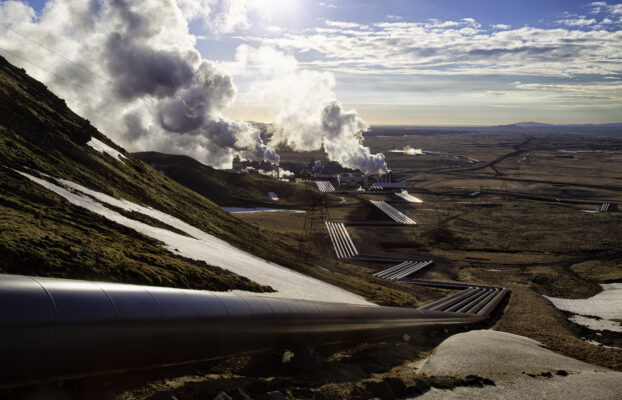
Open Letter | A Comprehensive EU Action Plan for Geothermal Energy
11. December 2025Next-generation geothermal technologies, including enhanced, advanced, and superhot geothermal systems, can unlock high-temperature heat, firm clean, dispatchable power, and cascading thermal uses across Europe. With the right strategy, geothermal can deliver clean heat, firm power, and industrial decarbonization at scale,...